How to Grow Chamomile: Complete Beginner Guide
Chamomile is one of the easiest and most rewarding medicinal herbs to grow at home. Whether you're cultivating German chamomile (Matricaria chamomilla) or Roman chamomile (Chamaemelum nobile), this complete guide will walk you through every step from seed to harvest.
💡 Key Takeaway
Chamomile is one of the easiest and most rewarding medicinal herbs to grow at home. Whether you're cultivating German chamomile (Matricaria chamomilla) or Roman chamomile (Chamaemelum nobile), this complete guide will walk you through every step from seed to harvest.
Choosing Your Chamomile Variety
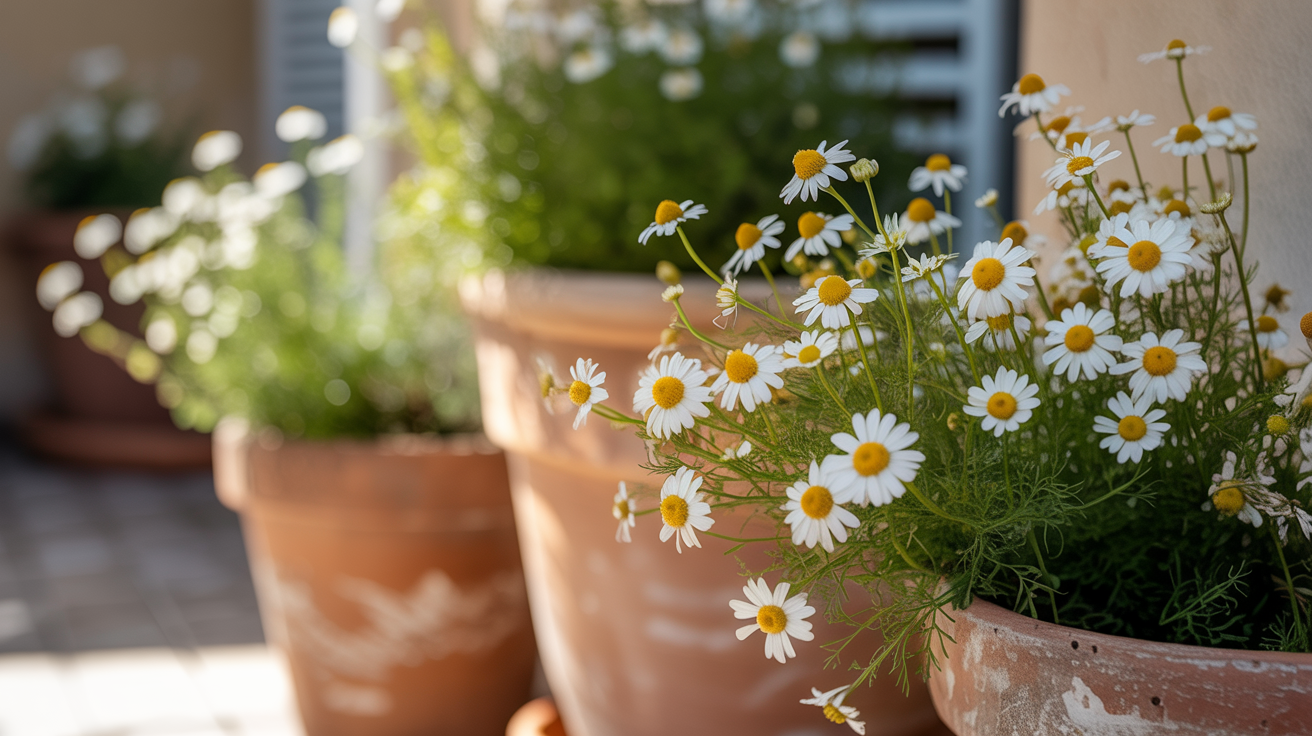
Two main chamomile varieties dominate home gardens: German chamomile and Roman chamomile. German chamomile grows as an annual, reaching 2-3 feet tall with abundant flowers perfect for tea. Roman chamomile is a low-growing perennial that spreads as ground cover, ideal for walkways and borders.
For medicinal tea production, German chamomile produces higher yields and is easier for beginners. Roman chamomile offers year-round greenery in zones 4-9 and requires less replanting. Both varieties contain similar medicinal compounds including apigenin, bisabolol, and chamazulene.
Starting Chamomile from Seed
Chamomile seeds are tiny and require light to germinate, so surface sowing is essential. Start seeds indoors 4-6 weeks before your last frost date, or direct sow outdoors after danger of frost passes. Press seeds gently onto moist seed-starting mix without covering them.
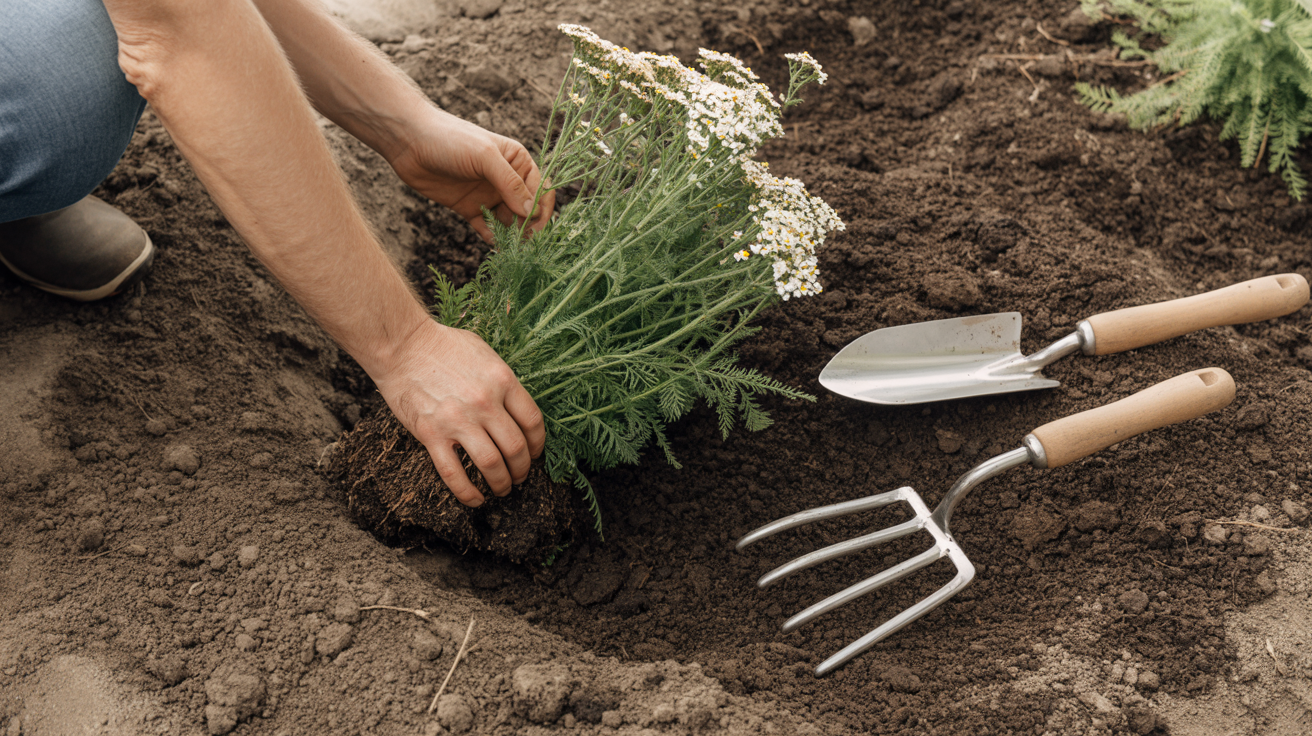
Maintain soil temperature between 65-70°F for optimal germination, which occurs within 7-14 days. Keep the growing medium consistently moist using a spray bottle to avoid displacing the tiny seeds. Once seedlings develop two sets of true leaves, thin to 6-8 inches apart for German chamomile or 4-6 inches for Roman varieties.
Ideal Growing Conditions
Chamomile thrives in full sun but tolerates partial shade, especially in hot climates where afternoon shade prevents stress. The herb prefers well-draining soil with a pH between 5.6-7.5. While chamomile tolerates poor soil, adding compost improves growth and flower production.
Avoid over-fertilizing chamomile, as excessive nitrogen produces lush foliage at the expense of flowers. The plant evolved in lean soils and performs best with minimal amendments. Good drainage is critical—chamomile roots rot quickly in waterlogged conditions.
Watering and Maintenance
Established chamomile plants are remarkably drought-tolerant, requiring water only during extended dry periods. Water deeply but infrequently, allowing soil to dry between waterings. Overwatering is the most common mistake in chamomile cultivation, leading to root rot and fungal diseases.
Chamomile requires minimal maintenance once established. Deadheading spent flowers encourages continuous blooming throughout the season. German chamomile self-sows readily, providing volunteer plants the following year. Roman chamomile benefits from light trimming to maintain compact growth.
Harvesting Chamomile Flowers
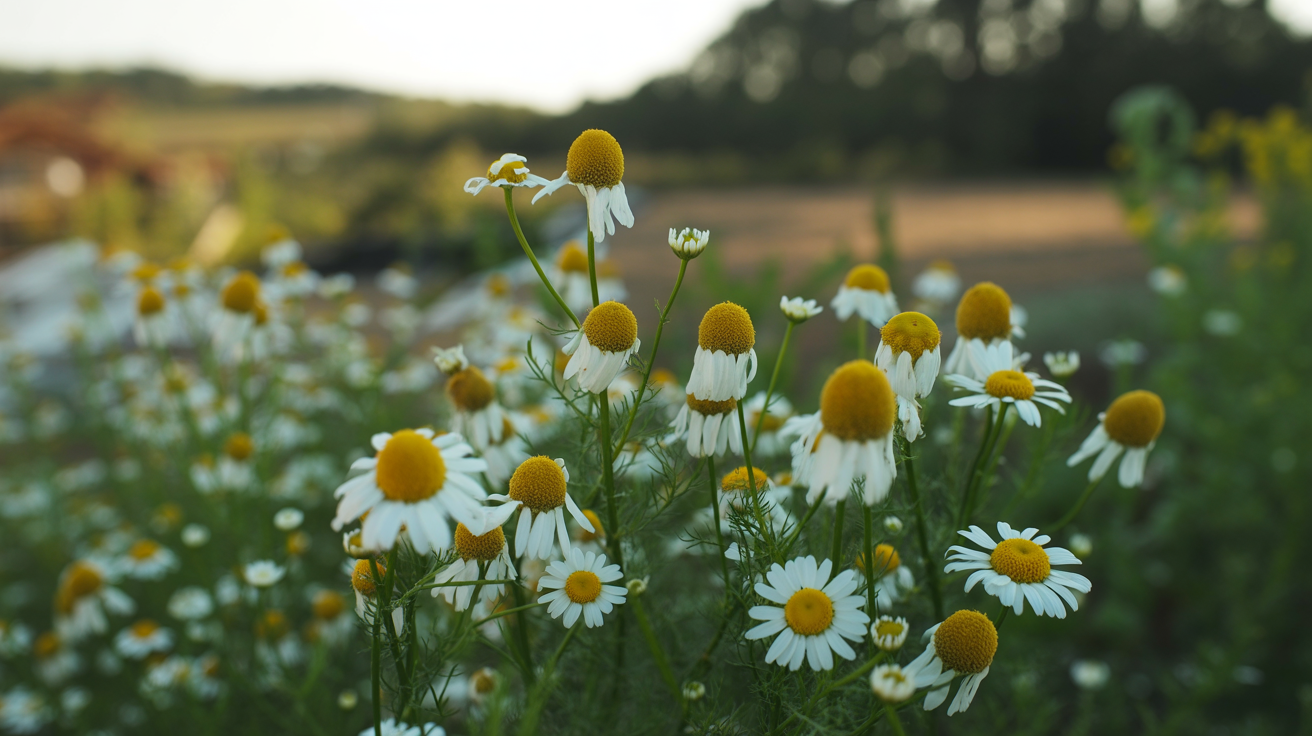
Harvest chamomile flowers when fully open but before petals begin drooping, typically in the morning after dew dries. Pinch or snip flower heads just below the base, leaving stems to produce more blooms. German chamomile flowers continuously for 4-6 weeks, while Roman chamomile blooms in early summer.
Fresh flowers can be used immediately for tea, or dry them for long-term storage. Spread flowers in a single layer on screens or paper in a warm, dark, well-ventilated area. Properly dried flowers retain potency for up to one year when stored in airtight containers away from light.
Common Growing Problems and Solutions
Aphids occasionally colonize chamomile stems and flowers. Spray plants with water or introduce beneficial insects like ladybugs for organic control. Powdery mildew appears in humid conditions with poor air circulation—space plants adequately and avoid overhead watering.
Leggy, weak growth indicates insufficient light. Move containers to sunnier locations or thin surrounding plants to increase light penetration. Yellow leaves typically signal overwatering or poor drainage. Reduce watering frequency and improve soil structure with compost or perlite.
Companion Planting with Chamomile
Chamomile makes an excellent companion plant, improving the health and flavor of nearby vegetables and herbs. Plant chamomile near cabbage, onions, and cucumbers to deter pests and enhance growth. The flowers attract beneficial insects including hoverflies, parasitic wasps, and predatory beetles.
Avoid planting chamomile near mint or other aggressive spreaders that compete for resources. Chamomile's delicate root system can't compete with vigorous herbs. Instead, pair it with basil, oregano, or sage for a harmonious medicinal herb garden.
Overwintering and Perennial Care
German chamomile completes its lifecycle in one season, but self-sown seeds provide plants the following year. Allow some flowers to go to seed in late summer, and volunteers will emerge the next spring. Roman chamomile overwinters in zones 4-9 with minimal protection.
In colder zones, mulch Roman chamomile with 2-3 inches of straw or leaves after the ground freezes. Remove mulch gradually in spring as temperatures warm. Divide established Roman chamomile clumps every 3-4 years to maintain vigor and prevent center die-out.
Getting Started with Your Medicinal Garden
Growing chamomile is the perfect introduction to medicinal herb gardening. Its forgiving nature, abundant harvests, and multiple uses make it ideal for beginners. Start your journey with a complete medicinal seed kit that includes chamomile and other essential healing herbs.
With proper care, a small chamomile patch provides enough flowers for daily tea throughout the growing season. The calming, anti-inflammatory properties of homegrown chamomile far exceed store-bought alternatives, making the minimal effort worthwhile for any home gardener.
🌿 Pro Tip from Our Garden
Growing your own medicinal herbs isn't just about the end product—it's about the journey. Take time to observe your plants daily, learn their rhythms, and you'll become a better herbalist in the process.
Start Your Medicinal Garden Today!
Everything you've learned in this article can be put into practice with our premium Medicinal Seed Kit. Get 10 carefully selected herbs, growing guides, and remedy recipes.
About Grow Medicinal Herbs
We're passionate about helping people discover the healing power of medicinal herbs. Our articles are carefully researched and written to help you grow, harvest, and use herbs for natural wellness. Have questions? Contact us.