How to Grow Feverfew: Complete Beginner's Guide
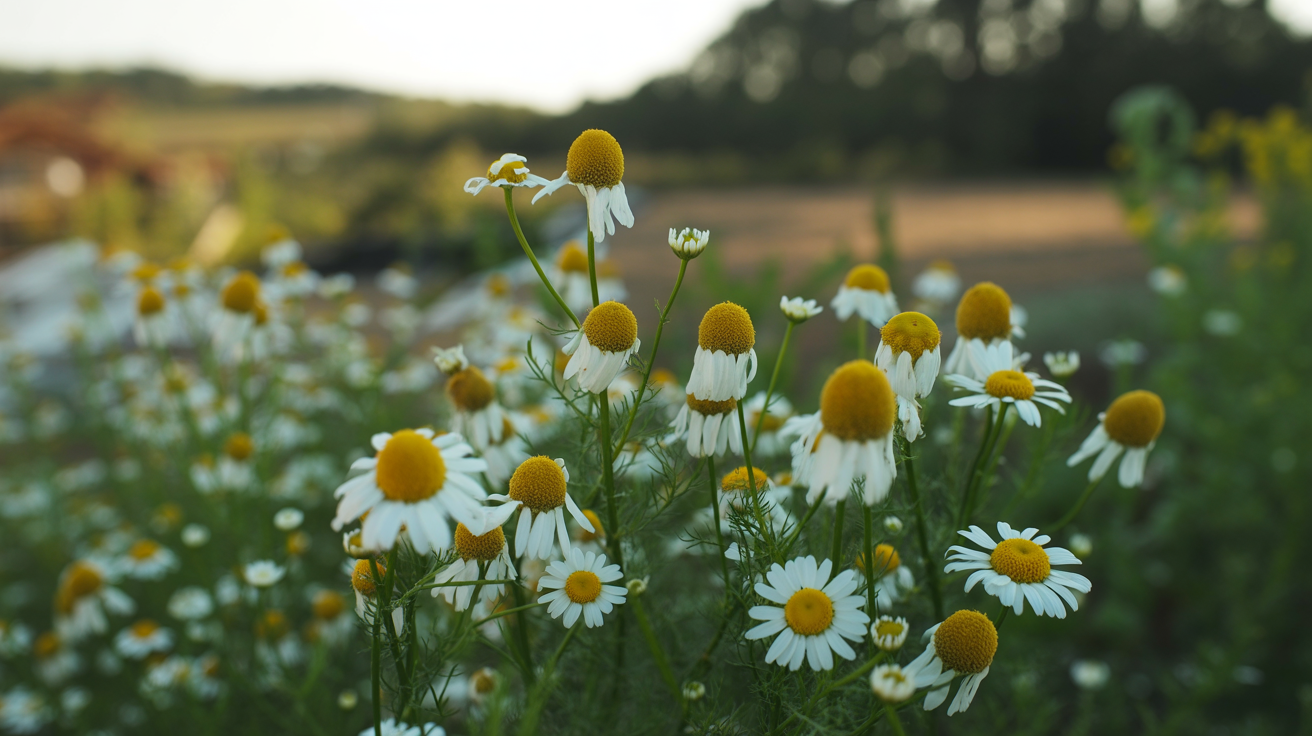
Feverfew (Tanacetum parthenium) is a beautiful medicinal herb known for its daisy-like flowers and powerful health benefits. This hardy perennial is surprisingly easy to grow, making it perfect for beginners looking to start their medicinal herb garden.

💡 Key Takeaway
Feverfew (Tanacetum parthenium) is a beautiful medicinal herb known for its daisy-like flowers and powerful health benefits. This hardy perennial is surprisingly easy to grow, making it perfect for beginners looking to start their medicinal herb garden.
Why Grow Feverfew in Your Garden
Feverfew has been used for centuries to support wellness, particularly for headache relief and inflammation. Beyond its medicinal properties, this charming herb produces clusters of small white flowers that attract beneficial pollinators to your garden. It's a low-maintenance plant that thrives in most climates and soil conditions.
Starting Feverfew from Seed
The best time to start feverfew seeds is in early spring, about 6-8 weeks before your last frost date. Sow seeds on the surface of moist seed-starting mix, as they need light to germinate. Keep the soil consistently moist and maintain temperatures between 65-70°F. Germination typically occurs within 10-14 days.
For a complete collection of medicinal herb seeds including feverfew, check out this medicinal seed starter kit that includes everything you need to begin your herbal garden journey.
Soil and Location Requirements
Feverfew is remarkably adaptable but performs best in well-draining soil with a pH between 6.0 and 7.0. Choose a location that receives full sun to partial shade—at least 4-6 hours of direct sunlight daily. The plant tolerates poor soil conditions but will produce more abundant flowers and foliage in moderately fertile soil enriched with compost.
Planting and Spacing
Once seedlings have developed 2-3 sets of true leaves and all danger of frost has passed, transplant them outdoors. Space plants 12-18 inches apart to allow for mature growth. Feverfew typically reaches 12-24 inches in height and spreads about 12 inches wide. Water thoroughly after transplanting and mulch around the base to retain moisture.
Watering and Feeding
Feverfew has moderate water needs. Water deeply once or twice per week, allowing the soil to dry slightly between waterings. Overwatering can lead to root rot, so ensure good drainage. This herb doesn't require heavy feeding—a light application of compost or balanced organic fertilizer in spring is sufficient for healthy growth.
Maintenance and Pruning
Deadhead spent flowers regularly to encourage continuous blooming throughout the growing season. In late fall, cut plants back to about 3-4 inches above ground level. Feverfew self-seeds readily, so remove flower heads before they go to seed if you want to control spreading. The plant may die back in winter but will return vigorously in spring.
Harvesting Feverfew
Harvest feverfew leaves and flowers when the plant is in full bloom, typically from mid-summer through early fall. Cut stems in the morning after dew has dried but before the heat of the day. Use fresh or dry the harvested material by hanging bundles upside down in a warm, dark, well-ventilated area. Store dried feverfew in airtight containers away from light.
Common Pests and Problems
Feverfew is relatively pest-resistant, though aphids may occasionally appear on new growth. Spray them off with water or use insecticidal soap if needed. The plant's strong scent actually helps repel many garden pests. Watch for powdery mildew in humid conditions—ensure adequate air circulation and avoid overhead watering to prevent fungal issues.
Growing Feverfew in Containers
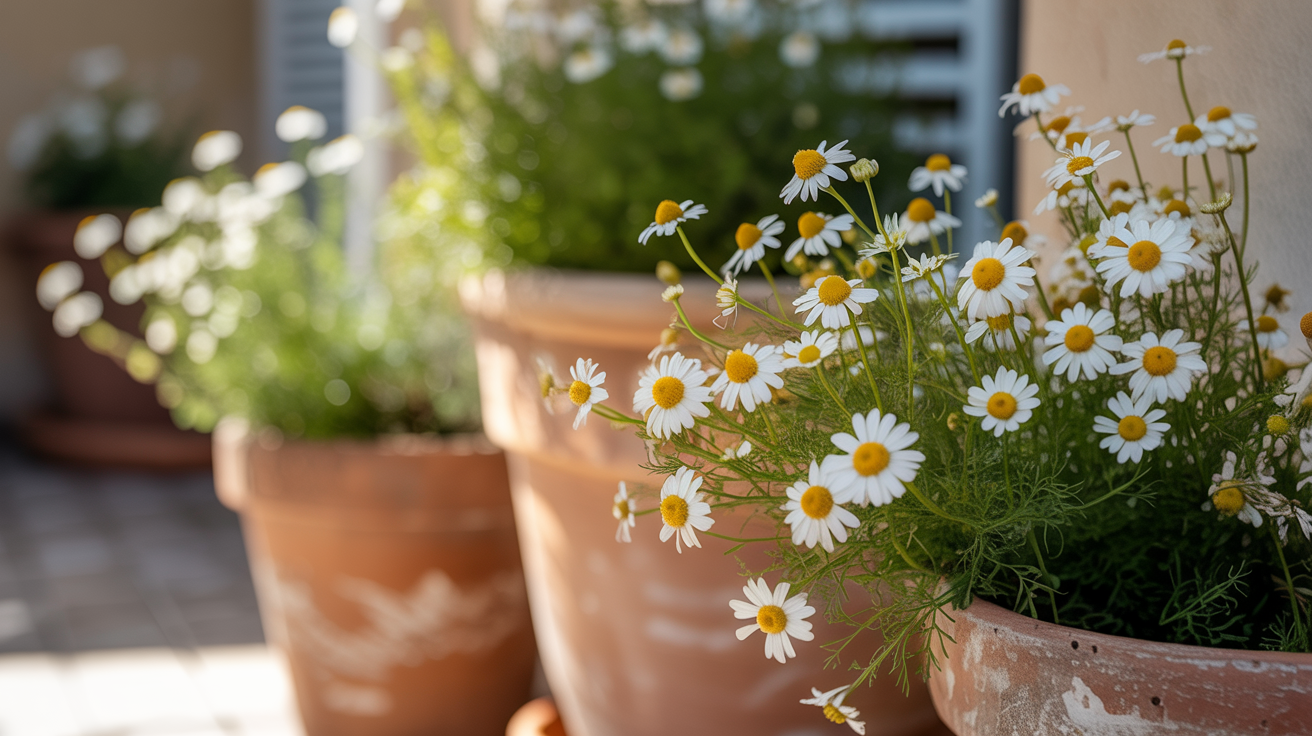
Feverfew adapts well to container growing, making it ideal for small spaces or patio gardens. Use a pot at least 12 inches in diameter with drainage holes. Fill with quality potting mix and place in a sunny location. Container plants may need more frequent watering than those in the ground, so check soil moisture regularly.
🌿 Pro Tip from Our Garden
Growing your own medicinal herbs isn't just about the end product—it's about the journey. Take time to observe your plants daily, learn their rhythms, and you'll become a better herbalist in the process.
Start Your Medicinal Garden Today!
Everything you've learned in this article can be put into practice with our premium Medicinal Seed Kit. Get 10 carefully selected herbs, growing guides, and remedy recipes.
About Grow Medicinal Herbs
We're passionate about helping people discover the healing power of medicinal herbs. Our articles are carefully researched and written to help you grow, harvest, and use herbs for natural wellness. Have questions? Contact us.