How to Grow Marshmallow: Complete Guide to Cultivating This Healing Herb
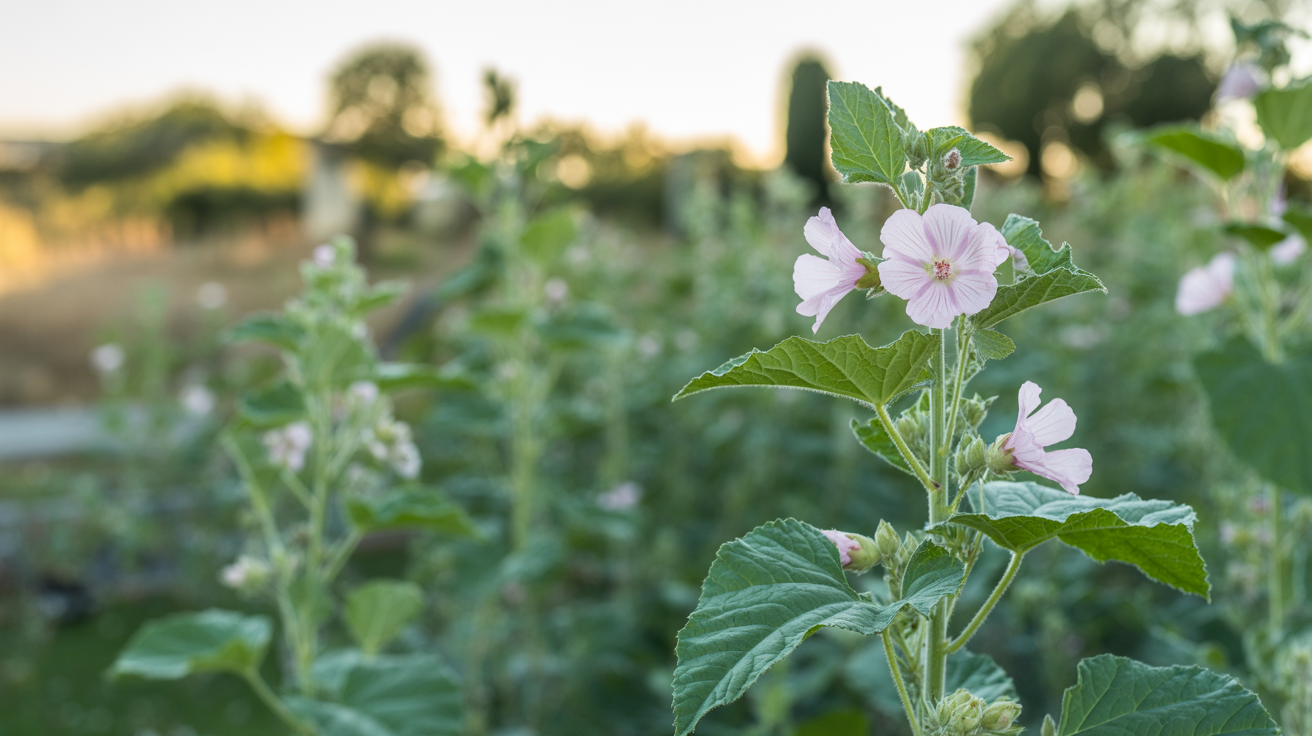
Marshmallow (Althaea officinalis) is a beautiful perennial herb prized for its soothing medicinal properties and delicate pink flowers. Whether you're a seasoned gardener or just starting your herbal journey, growing marshmallow is surprisingly straightforward and rewarding.
💡 Key Takeaway
Marshmallow (Althaea officinalis) is a beautiful perennial herb prized for its soothing medicinal properties and delicate pink flowers. Whether you're a seasoned gardener or just starting your herbal journey, growing marshmallow is surprisingly straightforward and rewarding.
Understanding Marshmallow: A Garden Treasure
Marshmallow is a hardy perennial that can reach heights of 3-4 feet, producing velvety leaves and charming pale pink blooms from mid-summer through early fall. Native to Europe and Western Asia, this herb has been cultivated for over 2,000 years for its mucilaginous roots, which contain compounds that soothe inflammation and support digestive health.
The entire plant is useful—roots, leaves, and flowers all have medicinal applications. Growing your own marshmallow ensures you have access to fresh, organic plant material whenever you need it.
Choosing the Right Location
Marshmallow thrives in full sun to partial shade, though it produces the most robust growth with at least 6 hours of direct sunlight daily. Select a spot in your garden that receives good air circulation to prevent fungal issues, especially in humid climates.
This herb prefers moist conditions and can even tolerate boggy soil, making it an excellent choice for areas of your garden that stay consistently damp. If you have a rain garden or a low-lying area that holds moisture, marshmallow will flourish there.
Soil Preparation and Requirements
Marshmallow is adaptable to various soil types but performs best in rich, loamy soil with good moisture retention. The ideal pH range is between 6.0 and 7.5—slightly acidic to neutral.
Before planting, work plenty of organic matter into your soil. Compost, well-rotted manure, or leaf mold will improve soil structure and provide essential nutrients. If your soil drains too quickly, add coconut coir or peat moss to help retain moisture.
For container growing, use a large pot (at least 12 inches deep) with drainage holes and a high-quality potting mix enriched with compost.
Planting Marshmallow: Seeds vs. Transplants
You can start marshmallow from seeds or purchase young plants from a nursery. Seeds require stratification (cold treatment) for best germination, so either sow them outdoors in fall or refrigerate them for 2-4 weeks before spring planting.
To plant seeds: Sow them 1/4 inch deep in prepared soil after the last frost date. Keep the soil consistently moist until germination, which typically occurs within 10-21 days. Thin seedlings to 18-24 inches apart once they have several true leaves.
For transplants: Plant them at the same depth they were growing in their containers, spacing them 18-24 inches apart. Water thoroughly after planting and mulch around the base to conserve moisture.
Watering and Maintenance
Marshmallow requires consistent moisture throughout the growing season. Water deeply 2-3 times per week during dry periods, ensuring the soil never completely dries out. A 2-3 inch layer of organic mulch helps retain soil moisture and suppress weeds.
Feed your marshmallow plants with a balanced organic fertilizer or compost tea once a month during the growing season. Avoid high-nitrogen fertilizers, which promote leafy growth at the expense of root development.
Deadhead spent flowers to encourage continued blooming, though you may want to leave some flowers to set seed if you wish to collect them for propagation.
Harvesting Your Marshmallow
Leaves and flowers can be harvested throughout the growing season. Pick leaves in the morning after the dew has dried, selecting young, tender growth for the best quality. Flowers should be harvested when fully open.
The roots are the most prized part of the plant and should be harvested in fall of the second or third year when they've developed maximum mucilage content. Carefully dig around the plant and remove some of the larger roots, leaving enough to allow the plant to regenerate.
Clean roots thoroughly, then slice them thinly and dry them in a dehydrator or warm, well-ventilated area. Properly dried roots can be stored for up to a year.
Common Pests and Problems
Marshmallow is relatively pest-resistant, but you may occasionally encounter rust fungus, which appears as orange spots on leaves. Remove affected foliage promptly and ensure good air circulation. Avoid overhead watering to minimize fungal issues.
Slugs and snails may nibble on young plants. Use organic controls like diatomaceous earth or beer traps if they become problematic.
Start Your Medicinal Herb Garden Today
Growing marshmallow is just the beginning of your herbal journey. If you're looking to cultivate a complete medicinal herb garden, consider starting with a comprehensive seed collection that includes marshmallow and other healing herbs. Explore our curated medicinal seed kits to get everything you need to grow your own pharmacy in your backyard.
With proper care and attention, your marshmallow plants will provide you with years of healing harvests, beautiful blooms, and the satisfaction of growing your own natural remedies.
🌿 Pro Tip from Our Garden
Growing your own medicinal herbs isn't just about the end product—it's about the journey. Take time to observe your plants daily, learn their rhythms, and you'll become a better herbalist in the process.
Start Your Medicinal Garden Today!
Everything you've learned in this article can be put into practice with our premium Medicinal Seed Kit. Get 10 carefully selected herbs, growing guides, and remedy recipes.
About Grow Medicinal Herbs
We're passionate about helping people discover the healing power of medicinal herbs. Our articles are carefully researched and written to help you grow, harvest, and use herbs for natural wellness. Have questions? Contact us.