Lavender
Lavandula angustifolia
A perennial evergreen shrub with narrow, silvery-green leaves and spikes of purple flowers. The plant has a strong, pleasant aroma.
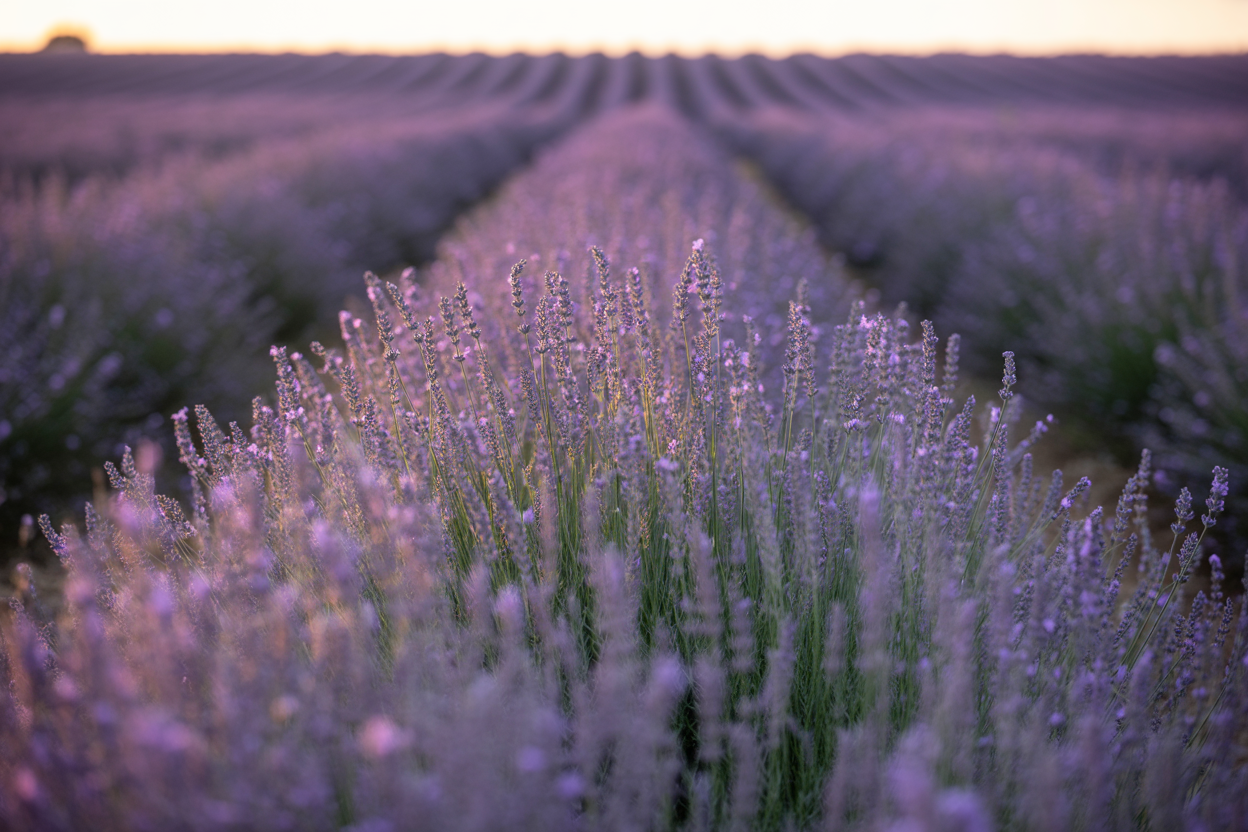
How to Grow Lavender
Growing Conditions
- USDA Zones:
- 5-8
- Soil Type:
- Well-drained, fertile, and often calcareous (alkaline) soils
- Soil pH:
- Neutral to alkaline
- Sunlight:
- Full sun
- Water:
- Drought-tolerant once established
Climate & Care
Prefers a Mediterranean climate
Planting & Care Tips
Requires good airflow. Pruning after flowering promotes bushy growth. Can be propagated from cuttings.
Harvest Tips
Harvest flower spikes just before flowers fully open. Dry bundles in a cool, well-ventilated place.
Medicinal Properties & Uses
Active Compounds
Linalool, linalyl acetate, limonene, cineole, and camphor.
Medicinal Properties
Calming, anti-inflammatory, antiseptic, antibacterial, and carminative.
Traditional Uses
Used by Romans in baths for fragrance and cleansing. Traditionally used for anxiety, insomnia, headaches, and digestive issues.
Health Benefits
Promotes relaxation and sleep, relieves anxiety and stress, soothes headaches, helps with digestion, and can be used topically for burns.
How to Use in Remedies
Essential oil: Used in aromatherapy for calming effects. Tea: For anxiety, insomnia, and digestive upsets. Sachet: To repel moths and freshen closets.
Important Precautions
Generally safe. Avoid during pregnancy and breastfeeding. May interact with sedative medications.
Ready to Grow Your Own Lavender?
Get Lavender and 9 other powerful medicinal herbs in the complete Medicinal Seed Kit.
Get the Medicinal Seed Kit