Echinacea for Beginners: Essential Growing Tips
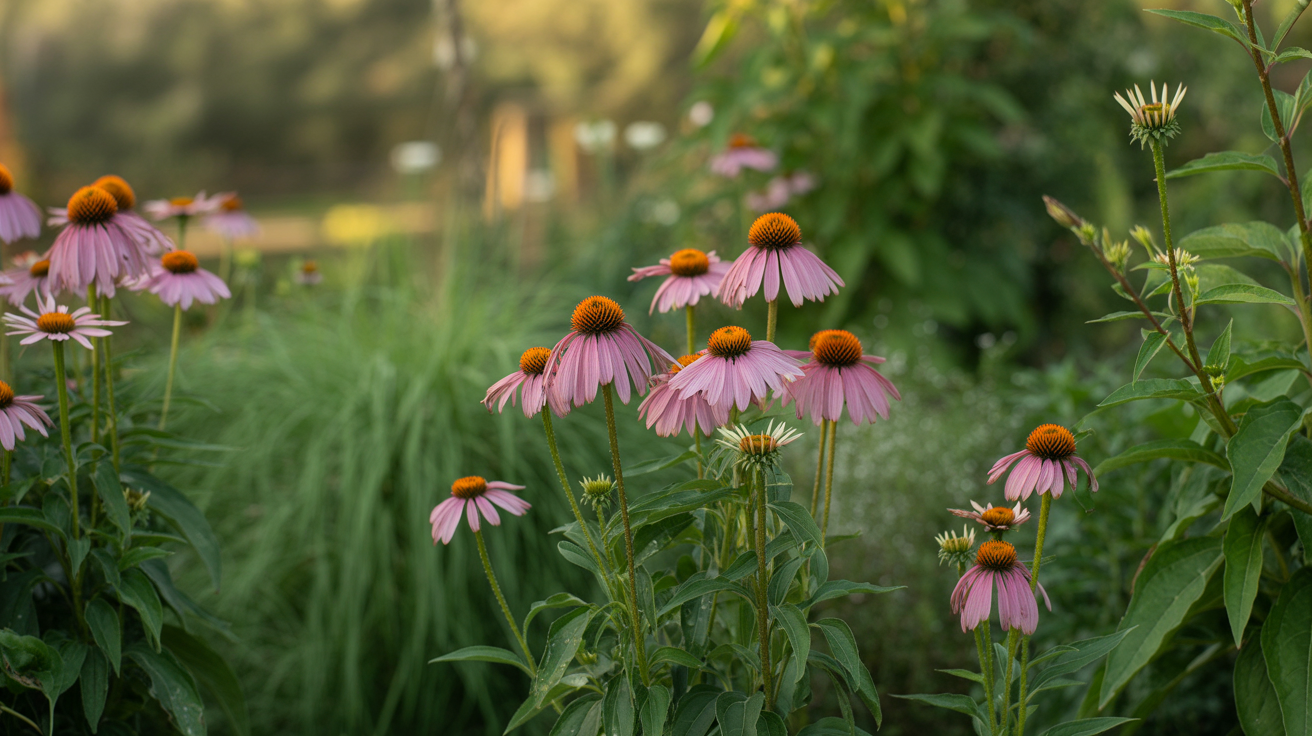
Echinacea, also known as purple coneflower, is one of the most rewarding medicinal herbs for beginners to grow. With its stunning purple blooms and powerful immune-boosting properties, this hardy perennial thrives in most gardens with minimal care.
💡 Key Takeaway
Echinacea, also known as purple coneflower, is one of the most rewarding medicinal herbs for beginners to grow. With its stunning purple blooms and powerful immune-boosting properties, this hardy perennial thrives in most gardens with minimal care.
Why Echinacea is Perfect for Beginner Gardeners
If you're new to growing medicinal herbs, Echinacea is an excellent starting point. This North American native plant is incredibly forgiving, drought-tolerant once established, and requires minimal maintenance. Unlike finicky herbs that demand constant attention, Echinacea thrives on benign neglect, making it ideal for those just beginning their herbal gardening journey.
Beyond its ease of cultivation, Echinacea offers multiple benefits: beautiful ornamental flowers that attract pollinators, potent medicinal roots and flowers for immune support, and the satisfaction of growing your own natural remedies. The plant's hardiness in zones 3-9 means most gardeners across North America can successfully cultivate it.
Choosing the Right Echinacea Variety
While there are nine species of Echinacea, beginners should focus on three main medicinal varieties: Echinacea purpurea (purple coneflower), Echinacea angustifolia (narrow-leaf coneflower), and Echinacea pallida (pale purple coneflower). E. purpurea is the easiest to grow and most widely available, making it the best choice for first-time growers.
When purchasing seeds or plants, ensure you're getting true medicinal varieties rather than ornamental hybrids. Look for reputable seed companies that specialize in medicinal herbs. Quality medicinal seed kits often include Echinacea along with other beginner-friendly herbs, giving you everything you need to start your medicinal garden.
Starting Echinacea from Seed
Echinacea seeds require cold stratification to germinate successfully—a process that mimics winter conditions. For beginners, the easiest method is direct sowing in fall, allowing nature to handle the stratification. Simply scatter seeds on prepared soil in October or November, lightly press them into the soil surface (they need light to germinate), and let winter do the work.
If you prefer spring planting, you'll need to stratify seeds artificially. Mix seeds with moist sand in a sealed plastic bag and refrigerate for 30 days before sowing. Plant stratified seeds in early spring, barely covering them with soil. Germination typically occurs in 10-20 days when soil temperatures reach 70°F (21°C).
Essential Soil and Sunlight Requirements
Echinacea is remarkably adaptable but performs best in well-draining soil with a pH between 6.0 and 7.0. The plant absolutely cannot tolerate waterlogged conditions, which can lead to root rot. If you have heavy clay soil, amend it with compost and sand, or consider raised beds for better drainage.
Full sun is essential for robust Echinacea growth—aim for at least 6-8 hours of direct sunlight daily. While the plant can tolerate partial shade, it will produce fewer flowers and may develop weaker stems. Choose a location that receives morning sun, as this helps dry dew from leaves and reduces disease pressure.
Watering and Feeding Your Echinacea
One of the biggest beginner mistakes is overwatering Echinacea. During the first growing season, water regularly to establish deep roots—about 1 inch per week. Once established (after the first year), Echinacea becomes remarkably drought-tolerant and actually prefers drier conditions. Water only during extended dry periods.
Echinacea doesn't require heavy feeding. In fact, too much nitrogen produces lush foliage at the expense of flowers and medicinal potency. A light application of compost in spring is usually sufficient. Avoid high-nitrogen fertilizers, which can make plants leggy and reduce their medicinal properties.
Common Beginner Mistakes to Avoid
New Echinacea growers often make several preventable errors. First, planting in shade or poorly-draining soil leads to weak, disease-prone plants. Second, expecting flowers the first year—Echinacea typically blooms in its second season, so patience is essential. Third, over-fertilizing or overwatering, which weakens the plant's natural resilience.
Another common mistake is harvesting too early or too aggressively. Wait until plants are at least three years old before harvesting roots, and never take more than one-third of a plant's roots at once. For flower and leaf harvesting, you can begin in the second year, taking no more than half the blooms to allow the plant to continue thriving.
Harvesting and Using Your Echinacea
Different parts of Echinacea are harvested at different times. Flowers are most potent when fully open but before they begin to fade—typically mid-summer. Cut them in the morning after dew has dried. Leaves can be harvested anytime during the growing season. Roots are best dug in fall after the plant has gone dormant, when medicinal compounds are most concentrated.
Fresh or dried Echinacea can be used to make immune-supporting teas, tinctures, and salves. The simplest method for beginners is making tea: steep 1-2 teaspoons of dried flowers or leaves in hot water for 10 minutes. For a more potent preparation, consider making an alcohol-based tincture that preserves the plant's medicinal properties for years.
Getting Started with Your Medicinal Herb Garden
Growing Echinacea is just the beginning of your medicinal herb journey. Once you've mastered this forgiving plant, you'll have the confidence to expand into other healing herbs like chamomile, calendula, and lavender. The key is starting simple, observing your plants, and learning from each growing season.
Ready to begin? Explore medicinal seed collections that include Echinacea and complementary herbs, giving you a complete foundation for your healing garden. With just a small investment of time and space, you'll be growing your own natural remedies and enjoying the beauty of these remarkable plants for years to come.
🌿 Pro Tip from Our Garden
Growing your own medicinal herbs isn't just about the end product—it's about the journey. Take time to observe your plants daily, learn their rhythms, and you'll become a better herbalist in the process.
Start Your Medicinal Garden Today!
Everything you've learned in this article can be put into practice with our premium Medicinal Seed Kit. Get 10 carefully selected herbs, growing guides, and remedy recipes.
About Grow Medicinal Herbs
We're passionate about helping people discover the healing power of medicinal herbs. Our articles are carefully researched and written to help you grow, harvest, and use herbs for natural wellness. Have questions? Contact us.