California Poppy Growing Guide for Complete Beginners
California poppy is the perfect medicinal herb for beginners, offering stunning golden blooms and gentle calming properties with minimal effort. This resilient native plant thrives in various conditions and forgives common gardening mistakes, making it an ideal first step into medicinal herb cultivation. Let's explore everything you need to know to successfully grow this beautiful and beneficial herb.
💡 Key Takeaway
California poppy is the perfect medicinal herb for beginners, offering stunning golden blooms and gentle calming properties with minimal effort. This resilient native plant thrives in various conditions and forgives common gardening mistakes, making it an ideal first step into medicinal herb cultivation. Let's explore everything you need to know to successfully grow this beautiful and beneficial herb.
Why California Poppy is Perfect for Beginners
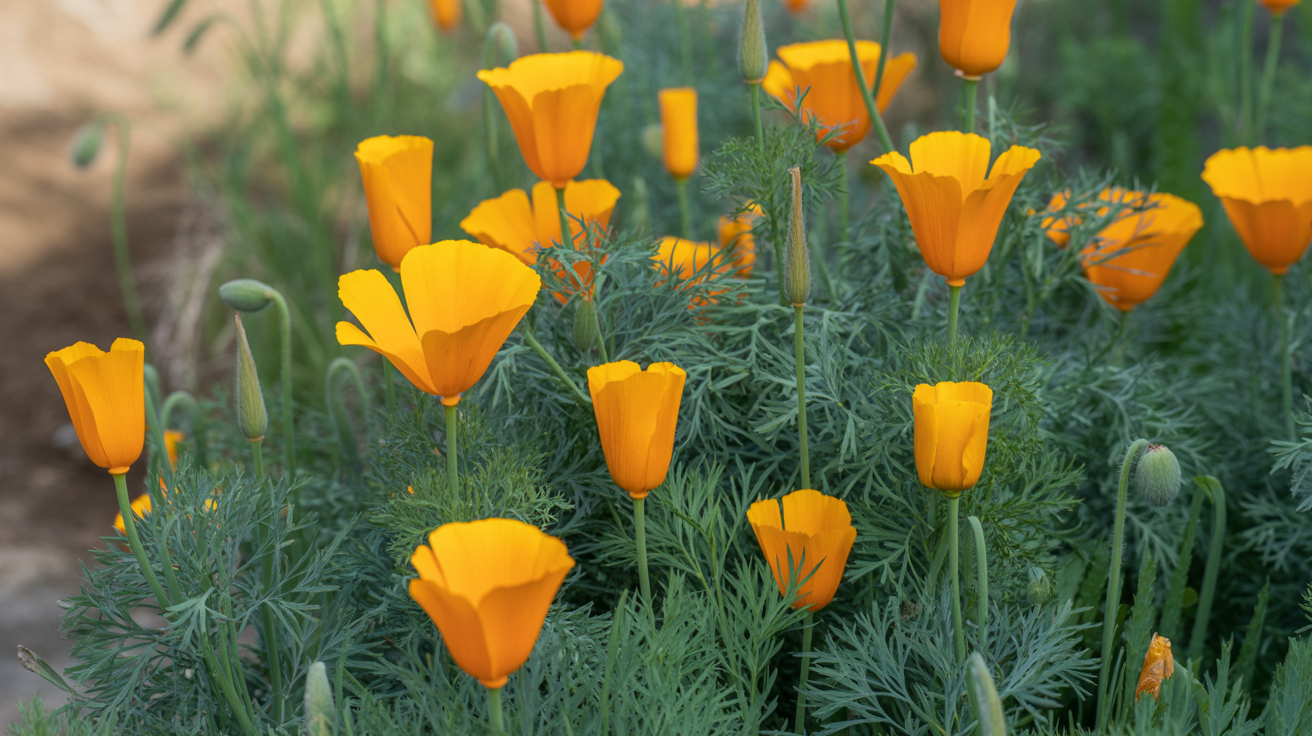
California poppy (Eschscholzia californica) stands out as one of the easiest medicinal herbs to grow, especially for those new to gardening. It's drought-tolerant, pest-resistant, and self-seeding, meaning it practically grows itself once established. The plant's mild sedative and anxiety-relieving properties make it a valuable addition to any herbal medicine cabinet, while its cheerful orange and yellow flowers brighten any garden space.
Best Time to Plant California Poppy
The ideal time to sow California poppy seeds is in early spring after the last frost, or in fall for earlier spring blooms. Direct sowing works best since these plants don't transplant well due to their delicate tap roots. In mild climates, you can plant almost year-round. The seeds germinate quickly, usually within 10-14 days, giving beginners the satisfaction of seeing fast results.
Choosing the Right Location and Soil
California poppies thrive in full sun—at least 6-8 hours daily. They prefer well-draining, sandy or loamy soil and actually perform better in poor to average soil conditions. Rich, heavily fertilized soil can lead to excessive foliage with fewer flowers. If your soil is heavy clay, consider adding sand or growing in raised beds. The plants tolerate various pH levels but prefer slightly acidic to neutral soil.
Simple Planting Instructions
Planting California poppy couldn't be easier. Simply scatter seeds directly on prepared soil and lightly press them in—they need light to germinate, so don't bury them deeply. Space seeds about 6-8 inches apart, or thin seedlings to this distance once they emerge. Water gently after planting to settle the seeds, then reduce watering as plants establish. Overwatering is one of the few ways to harm these hardy plants.
Low-Maintenance Care Requirements
Once established, California poppies require minimal care, making them perfect for busy beginners. Water sparingly—only during extended dry periods. These drought-adapted plants actually prefer dry conditions once mature. No fertilization is necessary; in fact, it can reduce flowering. Deadheading spent blooms encourages more flowers, but if you want self-seeding for next year, leave some flowers to go to seed naturally.
Common Beginner Mistakes to Avoid
The most common mistake beginners make is overwatering California poppies, which can lead to root rot and fungal issues. Another error is trying to transplant established plants—always direct sow seeds instead. Don't worry if plants look scraggly in hot summer—they often go dormant in extreme heat and bounce back with cooler weather. Finally, avoid planting in shade; these sun-lovers won't thrive without adequate light.
Harvesting California Poppy for Medicine
Harvest the aerial parts (flowers, leaves, and stems) when plants are in full bloom for maximum medicinal potency. Cut stems in the morning after dew has dried but before the heat of the day. Use fresh in tinctures or dry for teas. The entire above-ground plant is medicinal, containing gentle sedative compounds that help with anxiety, insomnia, and mild pain relief.
Troubleshooting Tips for New Growers
If seeds don't germinate, they may have been planted too deeply or kept too wet. If plants are leggy with few flowers, they're likely not getting enough sun or the soil is too rich. Yellowing leaves usually indicate overwatering. Pests rarely bother California poppies, but if you see aphids, a strong spray of water usually solves the problem without chemicals.
Start Your Medicinal Herb Garden Today
California poppy's beginner-friendly nature makes it an excellent gateway into medicinal herb gardening. Once you experience the joy of growing your own herbal remedies, you'll want to expand your garden with other healing plants. Ready to start your journey? This complete medicinal seed kit includes California poppy along with other easy-to-grow medicinal herbs perfect for beginners, giving you everything you need to create a thriving herbal medicine garden.
With California poppy, you'll gain confidence in your gardening abilities while growing a beautiful, useful plant that provides natural stress relief and peaceful sleep. There's no better way to begin your medicinal herb journey than with this forgiving, rewarding plant.
🌿 Pro Tip from Our Garden
Growing your own medicinal herbs isn't just about the end product—it's about the journey. Take time to observe your plants daily, learn their rhythms, and you'll become a better herbalist in the process.
Start Your Medicinal Garden Today!
Everything you've learned in this article can be put into practice with our premium Medicinal Seed Kit. Get 10 carefully selected herbs, growing guides, and remedy recipes.
About Grow Medicinal Herbs
We're passionate about helping people discover the healing power of medicinal herbs. Our articles are carefully researched and written to help you grow, harvest, and use herbs for natural wellness. Have questions? Contact us.