Chamomile for Beginners: Your Complete Guide to Growing and Using This Gentle Herb
Chamomile is one of the most beloved and beginner-friendly medicinal herbs you can grow in your garden. With its delicate daisy-like flowers and soothing apple-scented aroma, this gentle herb has been treasured for centuries for its calming properties and ease of cultivation. Whether you're new to herbal gardening or just discovering the world of medicinal plants, chamomile is the perfect starting point for your journey.
💡 Key Takeaway
Chamomile is one of the most beloved and beginner-friendly medicinal herbs you can grow in your garden. With its delicate daisy-like flowers and soothing apple-scented aroma, this gentle herb has been treasured for centuries for its calming properties and ease of cultivation. Whether you're new to herbal gardening or just discovering the world of medicinal plants, chamomile is the perfect starting point for your journey.
Why Chamomile is Perfect for Beginners
If you're just starting your medicinal herb garden, chamomile offers several advantages that make it ideal for novice gardeners. This forgiving plant tolerates a range of growing conditions, requires minimal maintenance, and provides quick results - you can harvest flowers within 6-8 weeks of planting. Unlike some finicky herbs, chamomile thrives with basic care and actually prefers slightly neglectful treatment over constant fussing.
There are two main types of chamomile: German chamomile (Matricaria recutita), an annual that self-seeds readily, and Roman chamomile (Chamaemelum nobile), a low-growing perennial. For beginners, German chamomile is typically recommended because it's easier to grow from seed and produces abundant flowers throughout the growing season.
Getting Started: What You'll Need
Starting your chamomile garden requires minimal investment and equipment. You'll need chamomile seeds or seedlings, well-draining soil, a sunny location (though chamomile tolerates partial shade), and basic watering equipment. That's it! No special fertilizers, complicated pH adjustments, or expensive growing systems required.
If you're looking to grow multiple medicinal herbs alongside your chamomile, consider investing in a quality medicinal seed kit that includes chamomile along with other beginner-friendly herbs like lavender, calendula, and echinacea. This gives you variety while keeping your initial herb garden manageable.
Planting Chamomile: Step-by-Step Instructions
Chamomile seeds are tiny and should be surface-sown, meaning you simply scatter them on top of the soil and press them gently without covering them completely - they need light to germinate. Plant after your last frost date in spring, spacing seeds about 6-8 inches apart. If you're planting in containers, choose pots at least 8 inches deep with drainage holes.
Germination typically occurs within 7-14 days when soil temperatures reach 60-68°F (15-20°C). Keep the soil consistently moist during germination, using a gentle mist rather than heavy watering that might wash away the tiny seeds. Once seedlings emerge, thin them to maintain proper spacing and promote healthy growth.
Basic Care Requirements
Chamomile is remarkably low-maintenance once established. Water when the top inch of soil feels dry - chamomile prefers slightly dry conditions over soggy soil. Overwatering is one of the few ways you can harm this resilient plant, so err on the side of less water rather than more.
Fertilizing is rarely necessary and can actually reduce the potency of chamomile's medicinal compounds. If your soil is particularly poor, a light application of compost in spring is sufficient. Chamomile naturally thrives in lean soil conditions, making it perfect for beginners who might worry about complex feeding schedules.
Harvesting Your First Chamomile Flowers
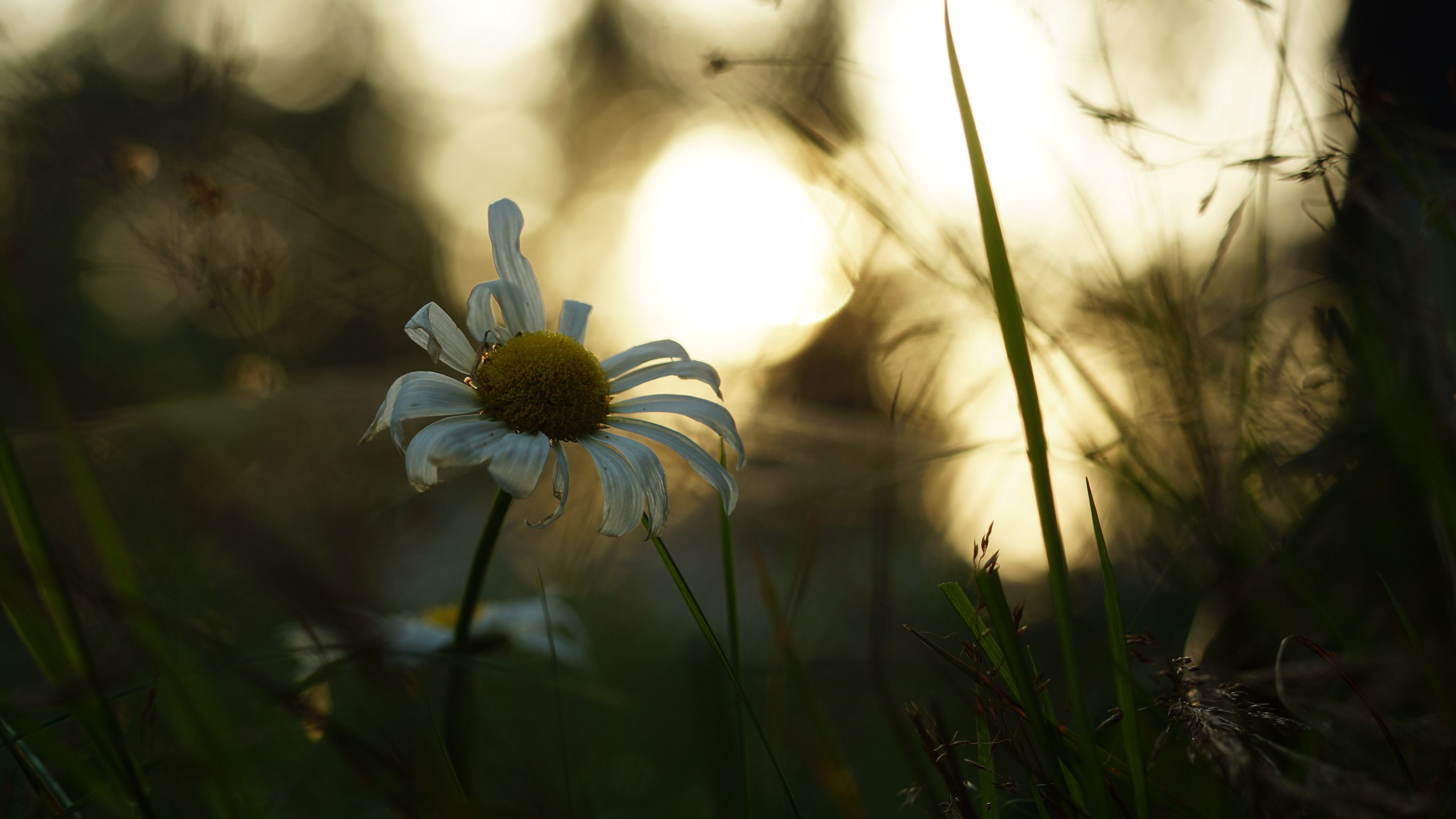
This is where the magic happens! Harvest chamomile flowers when they're fully open and the white petals begin to reflex backward slightly. The best time to harvest is mid-morning after the dew has dried but before the heat of the day. Simply pinch or snip the flower heads, leaving a bit of stem attached.
For continuous blooms, harvest regularly - this actually encourages the plant to produce more flowers. A single chamomile plant can produce dozens of flowers throughout the season, giving you plenty of material for teas, tinctures, and other preparations.
Drying and Storing Chamomile
Fresh chamomile flowers can be used immediately, but drying them preserves your harvest for year-round use. Spread flowers in a single layer on a screen or clean cloth in a warm, dry location away from direct sunlight. Proper air circulation is key - avoid stacking flowers or drying in humid conditions.
Flowers are fully dried when they feel crispy and the stems snap easily, usually within 1-2 weeks. Store dried chamomile in airtight glass jars away from light and heat. Properly dried and stored chamomile retains its potency for up to one year, though it's best used within 6 months for maximum flavor and effectiveness.
Making Your First Chamomile Tea
The simplest way to use chamomile is as a soothing tea. Use 1-2 teaspoons of dried flowers (or 2-3 teaspoons fresh) per cup of boiling water. Steep covered for 5-10 minutes - the longer you steep, the stronger the flavor and medicinal properties. Strain and enjoy plain, or add honey and lemon to taste.
Chamomile tea is traditionally used to promote relaxation, ease digestive discomfort, and support restful sleep. Many beginners find that growing and preparing their own chamomile tea is a deeply satisfying introduction to herbal medicine - there's something special about sipping tea made from flowers you grew yourself.
Common Beginner Mistakes to Avoid
Even with forgiving chamomile, a few common pitfalls can trip up new growers. Overwatering is the number one issue - chamomile's fine roots are susceptible to rot in waterlogged soil. Planting seeds too deep is another frequent mistake; remember, these tiny seeds need light to germinate, so keep them on the surface.
Don't worry if your first planting doesn't produce a massive harvest. Chamomile often self-seeds, so even a modest first-year crop can lead to abundant volunteers the following season. Many experienced herbalists actually prefer the self-seeded plants, which tend to be hardier and more vigorous.
Expanding Your Medicinal Herb Garden
Once you've successfully grown chamomile, you'll likely feel confident tackling other medicinal herbs. Chamomile pairs beautifully in the garden with lavender, calendula, and lemon balm - all equally beginner-friendly. These herbs share similar growing requirements and can be harvested and used together in herbal blends.
Consider starting with a comprehensive medicinal herb seed collection to expand your garden systematically. Growing multiple herbs allows you to create custom tea blends, learn about herb combinations, and develop a deeper understanding of herbal medicine while building confidence in your gardening skills.
Your Journey Begins with Chamomile
Growing chamomile is more than just cultivating a plant - it's your entry point into the rewarding world of medicinal herbs. This gentle, forgiving herb teaches fundamental skills like seed starting, harvesting timing, and basic preservation techniques that apply to countless other herbs. The confidence you gain from successfully growing and using chamomile will serve you well as you expand your herbal knowledge.
Start small, be patient with yourself, and remember that every experienced herbalist was once a beginner standing exactly where you are now. Your chamomile plants don't expect perfection - they simply need basic care, a bit of sunshine, and your willingness to learn. Welcome to the wonderful world of growing medicinal herbs!
🌿 Pro Tip from Our Garden
Growing your own medicinal herbs isn't just about the end product—it's about the journey. Take time to observe your plants daily, learn their rhythms, and you'll become a better herbalist in the process.
Start Your Medicinal Garden Today!
Everything you've learned in this article can be put into practice with our premium Medicinal Seed Kit. Get 10 carefully selected herbs, growing guides, and remedy recipes.
About Grow Medicinal Herbs
We're passionate about helping people discover the healing power of medicinal herbs. Our articles are carefully researched and written to help you grow, harvest, and use herbs for natural wellness. Have questions? Contact us.