Chamomile Growing Tips: Spring Planting Success
Spring is the perfect time to plant chamomile in your medicinal herb garden. Follow these seasonal tips to ensure your chamomile thrives from the start and produces abundant flowers for tea and remedies.
💡 Key Takeaway
Spring is the perfect time to plant chamomile in your medicinal herb garden. Follow these seasonal tips to ensure your chamomile thrives from the start and produces abundant flowers for tea and remedies.
Why Spring is Ideal for Chamomile Planting
Chamomile (Matricaria chamomilla) is a cool-season annual that thrives when planted in early spring. The mild temperatures and increased rainfall of spring create perfect conditions for germination and establishment. By planting in spring, you'll enjoy multiple harvests throughout the growing season before summer heat arrives.
Timing Your Spring Chamomile Planting
Plant chamomile seeds 2-4 weeks before your last expected frost date. Chamomile can tolerate light frosts, making it one of the earliest herbs you can sow. In mild climates, you can start planting as early as February or March. Check your local frost dates and count backward to determine your ideal planting window.
Spring Soil Preparation for Chamomile
Prepare your chamomile bed while soil is still cool but workable. Chamomile prefers well-drained, slightly acidic to neutral soil (pH 5.6-7.5). Work in compost or aged manure to improve soil structure, but avoid over-fertilizing. Spring's natural moisture helps seeds germinate without excessive watering.
Direct Sowing vs. Starting Indoors
In spring, you have two options: direct sow seeds outdoors after the soil reaches 55°F, or start seeds indoors 4-6 weeks before transplanting. Direct sowing is easier and often more successful since chamomile doesn't love transplanting. Simply scatter seeds on prepared soil and press lightly – they need light to germinate.
Spring Watering Guidelines for Chamomile
Take advantage of spring rains to reduce watering needs. Keep soil consistently moist during germination (7-14 days), then reduce watering as plants establish. Spring's cooler temperatures mean less evaporation, so water only when the top inch of soil feels dry. Overwatering in spring can lead to damping off disease.
Protecting Spring Chamomile from Late Frosts
While chamomile tolerates light frosts, protect young seedlings from hard freezes. Keep row covers or cloches handy for unexpected cold snaps. If frost is predicted, cover plants in the evening and remove covers once temperatures rise above freezing. This simple step ensures your spring planting succeeds.
Succession Planting for Continuous Harvest
One of spring's advantages is the extended planting window. Sow chamomile seeds every 2-3 weeks from early spring through late spring for continuous blooms all season. This succession planting strategy ensures you'll have fresh chamomile flowers available for months. Ready to start your chamomile garden? Get quality seeds from this medicinal herb seed collection.
Spring Pest Prevention
Spring planting helps chamomile avoid many summer pests. However, watch for aphids as temperatures warm. Encourage beneficial insects like ladybugs and lacewings by planting chamomile near other flowering herbs. The cool spring weather also reduces fungal disease pressure compared to humid summer conditions.
Fertilizing Spring-Planted Chamomile
Chamomile requires minimal fertilization, especially when planted in spring's naturally fertile soil. If your soil is poor, apply a light dose of balanced organic fertilizer at planting time. Avoid high-nitrogen fertilizers which promote leaf growth over flower production. Spring's natural nutrient cycling often provides everything chamomile needs.
First Harvest Timing
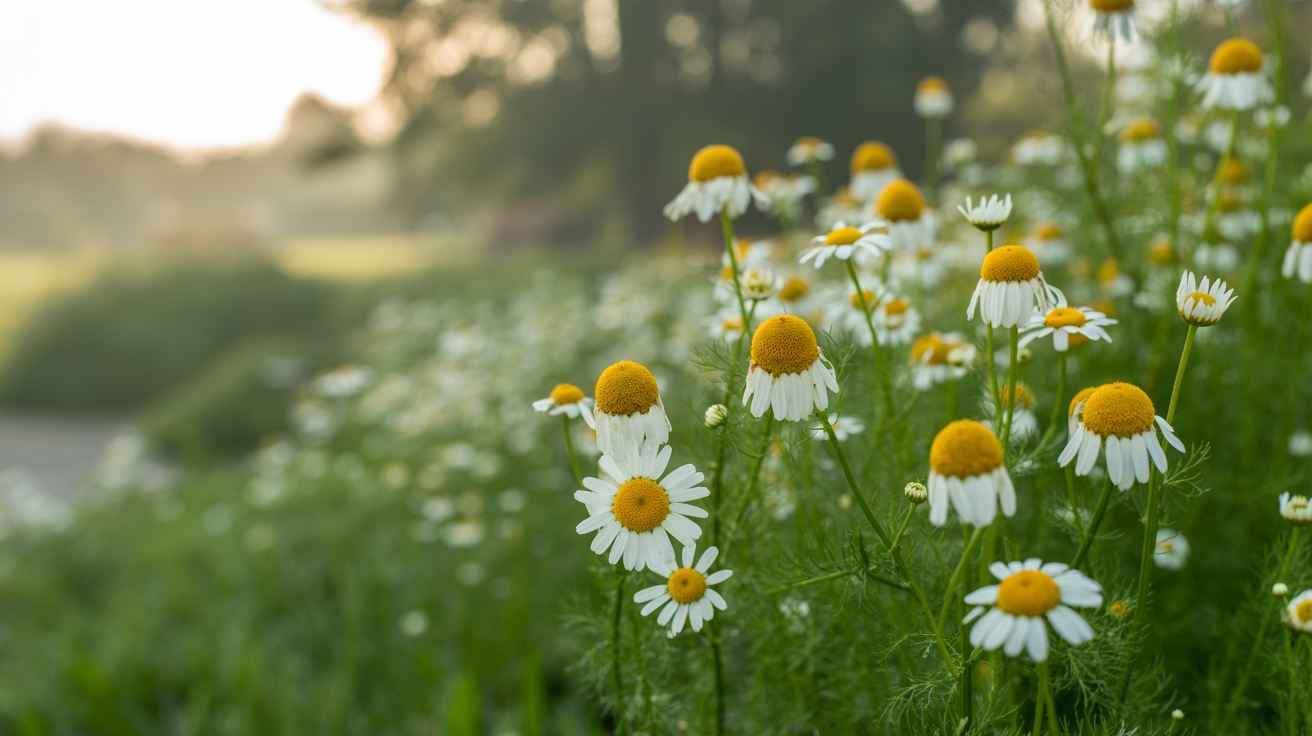
Spring-planted chamomile typically blooms 6-8 weeks after germination. Watch for the characteristic white daisy-like flowers with yellow centers. Harvest flowers when fully open but before petals start to droop. Morning harvest after dew dries captures the highest essential oil content for the most potent medicinal tea.
Companion Planting in Spring
Plant chamomile alongside other spring herbs like cilantro, dill, and parsley. Chamomile's shallow roots won't compete with deeper-rooted plants. Its flowers attract pollinators that benefit your entire spring garden. Consider interplanting with spring vegetables like lettuce and spinach for mutual benefits.
Start Your Spring Chamomile Garden
Spring offers the perfect opportunity to establish a thriving chamomile patch. With proper timing and these seasonal tips, you'll enjoy abundant harvests of this beloved medicinal herb. Don't wait – explore quality chamomile and other medicinal herb seeds at this seed collection and make this spring your most productive growing season yet.
🌿 Pro Tip from Our Garden
Growing your own medicinal herbs isn't just about the end product—it's about the journey. Take time to observe your plants daily, learn their rhythms, and you'll become a better herbalist in the process.
Start Your Medicinal Garden Today!
Everything you've learned in this article can be put into practice with our premium Medicinal Seed Kit. Get 10 carefully selected herbs, growing guides, and remedy recipes.
About Grow Medicinal Herbs
We're passionate about helping people discover the healing power of medicinal herbs. Our articles are carefully researched and written to help you grow, harvest, and use herbs for natural wellness. Have questions? Contact us.