Chicory Growing: Seasonal Tips for Year-Round Success
Chicory is a resilient medicinal herb that can thrive across multiple seasons with the right care. Understanding seasonal growing patterns helps you maximize your harvest and maintain healthy plants year-round.
💡 Key Takeaway
Chicory is a resilient medicinal herb that can thrive across multiple seasons with the right care. Understanding seasonal growing patterns helps you maximize your harvest and maintain healthy plants year-round.
Spring: The Perfect Time to Start Chicory
Spring is the ideal season to sow chicory seeds directly into your garden. As soon as the soil temperature reaches 45°F (7°C), you can begin planting. Chicory thrives in cool weather, making early spring perfect for establishing strong root systems.
Prepare your soil by working in compost and ensuring good drainage. Plant seeds 1/4 inch deep and space them 6-8 inches apart. Within 7-14 days, you'll see germination. Spring-planted chicory develops the best flavor and medicinal properties.
Summer Care: Managing Heat and Harvest
During summer months, chicory requires consistent moisture to prevent bitterness in the leaves. Water deeply 2-3 times per week, especially during hot spells. Mulching around plants helps retain soil moisture and keeps roots cool.
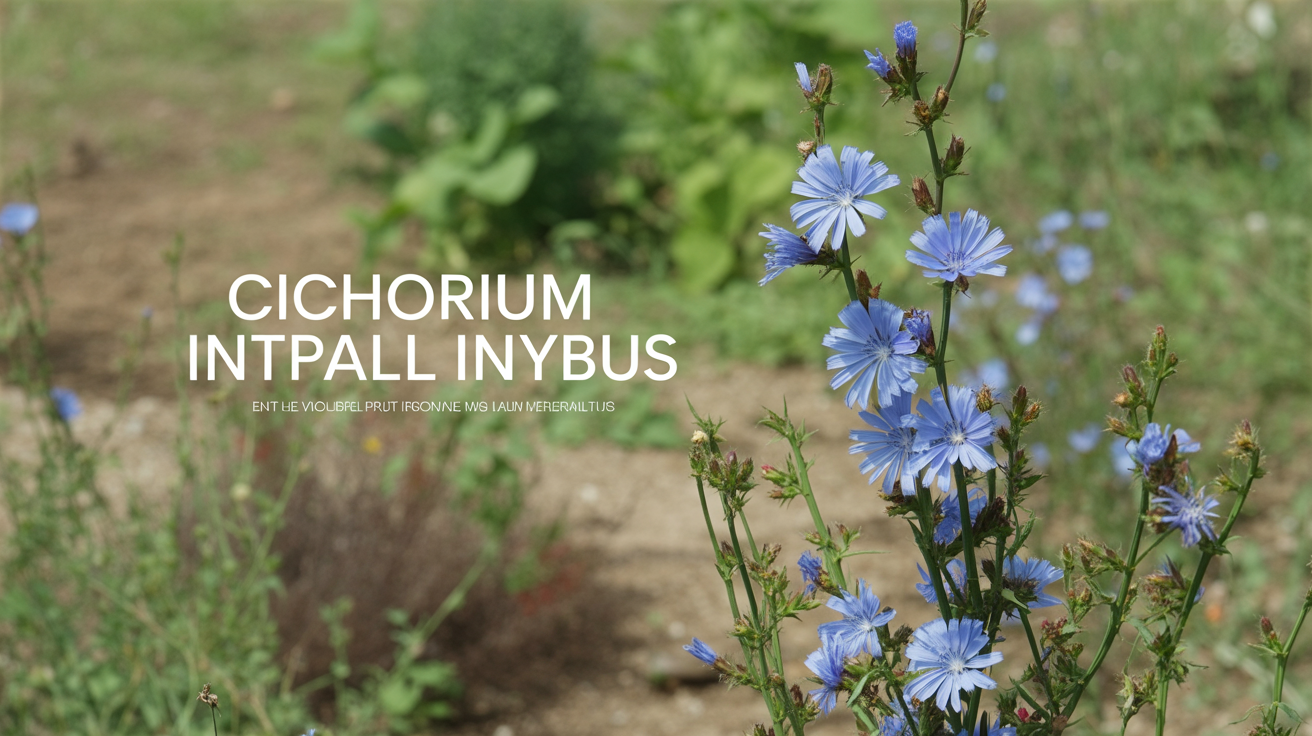
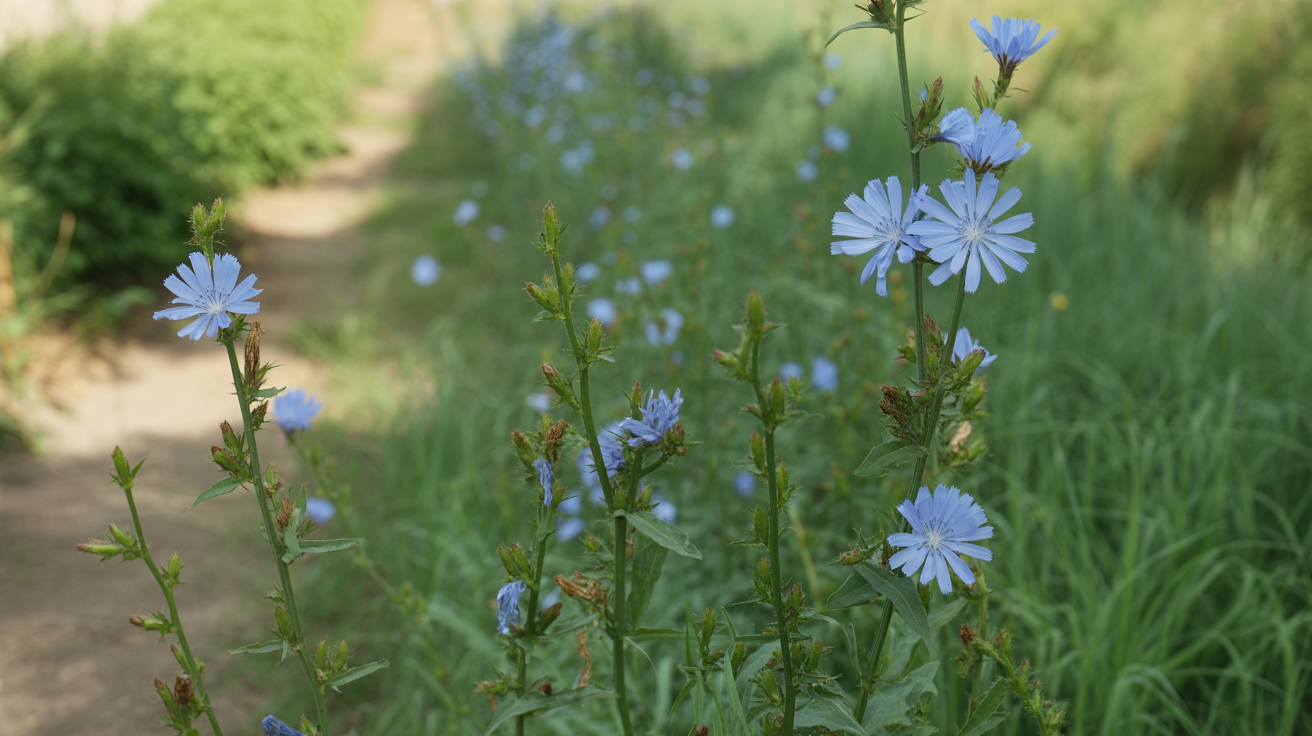
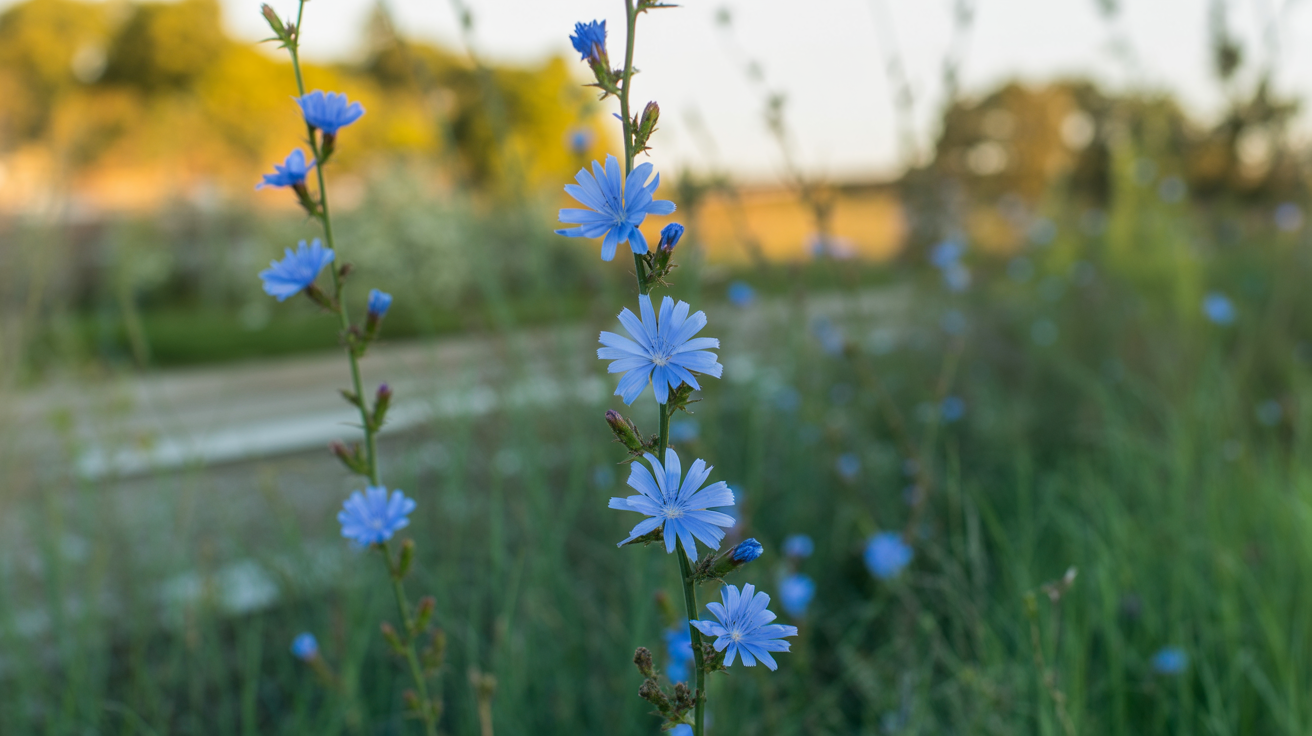
This is prime harvest time for chicory leaves. Pick young leaves in the morning for the best flavor. The plant's blue flowers also appear in summer, attracting beneficial pollinators to your garden. If you're growing chicory for its medicinal roots, allow plants to mature fully through the season.
Fall: Root Harvest and Forcing Season
Fall is the optimal time to harvest chicory roots for medicinal use. After the first light frost, dig up roots carefully using a garden fork. The cold weather actually improves the root's flavor and medicinal compounds.
You can also practice "forcing" chicory in fall by digging roots, trimming foliage, and replanting them in containers indoors. This traditional technique produces tender, blanched chicory leaves (chicons) throughout winter months.
Winter: Indoor Growing and Planning
In mild climates, chicory can overwinter in the garden with light mulch protection. The plant is remarkably cold-hardy, surviving temperatures down to 10°F (-12°C). In harsh winter zones, focus on forcing roots indoors for fresh greens.
Winter is also perfect for planning next season's chicory garden. Consider ordering quality medicinal herb seeds from trusted sources. Get a complete medicinal seed kit to expand your herbal garden with chicory and companion herbs.
Year-Round Succession Planting
For continuous chicory harvests, practice succession planting every 3-4 weeks from early spring through late summer. This ensures you always have tender young leaves available for salads, teas, and medicinal preparations.
Stagger your plantings based on your climate zone. In cooler regions, focus on spring and fall crops. In mild climates, you can grow chicory nearly year-round with proper seasonal adjustments to watering and sun exposure.
Seasonal Pest and Disease Management
Each season brings different challenges. Spring slugs love young chicory seedlings—use organic barriers like crushed eggshells. Summer aphids can be controlled with strong water sprays or beneficial insects. Fall and winter are generally pest-free, though proper spacing prevents fungal issues in damp conditions.
Monitor your plants regularly and address problems early. Healthy, seasonally-appropriate care produces the most potent medicinal chicory with minimal intervention.
🌿 Pro Tip from Our Garden
Growing your own medicinal herbs isn't just about the end product—it's about the journey. Take time to observe your plants daily, learn their rhythms, and you'll become a better herbalist in the process.
Start Your Medicinal Garden Today!
Everything you've learned in this article can be put into practice with our premium Medicinal Seed Kit. Get 10 carefully selected herbs, growing guides, and remedy recipes.
About Grow Medicinal Herbs
We're passionate about helping people discover the healing power of medicinal herbs. Our articles are carefully researched and written to help you grow, harvest, and use herbs for natural wellness. Have questions? Contact us.