Chicory Growing Tips: Spring to Fall Success Guide
Chicory (Cichorium intybus) is a resilient perennial herb that thrives across multiple seasons with proper timing and care. Understanding when to plant, maintain, and harvest chicory throughout the year ensures robust growth and maximum medicinal potency.
💡 Key Takeaway
Chicory (Cichorium intybus) is a resilient perennial herb that thrives across multiple seasons with proper timing and care. Understanding when to plant, maintain, and harvest chicory throughout the year ensures robust growth and maximum medicinal potency.
Spring Planting: Getting Chicory Started Right
Spring is the ideal time to establish chicory in your medicinal herb garden. As soon as the soil can be worked and temperatures consistently reach 45-50°F, direct sow chicory seeds 1/4 inch deep in well-draining soil. Space seeds 6-8 inches apart in rows 12-18 inches wide. Chicory prefers full sun but tolerates partial shade, making it versatile for various garden layouts.
Early spring planting allows chicory to establish strong root systems before summer heat arrives. The taproot, which contains valuable medicinal compounds, develops best when planted early. Keep soil consistently moist during germination, which typically occurs within 7-14 days.
Summer Care: Maintaining Healthy Growth
During summer months, chicory requires minimal maintenance but benefits from strategic care. Water deeply once or twice weekly during dry spells, focusing on root zone hydration rather than overhead watering. Mulch around plants with 2-3 inches of organic material to retain moisture and suppress weeds.
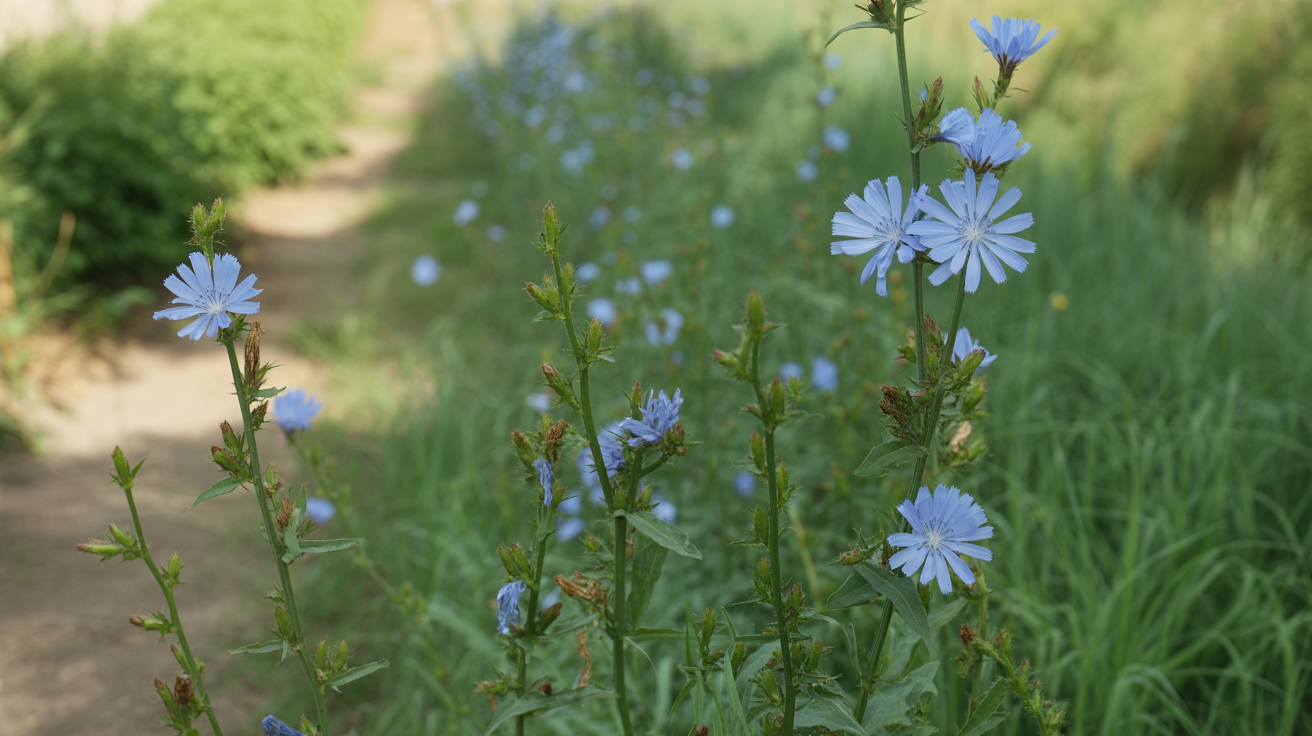
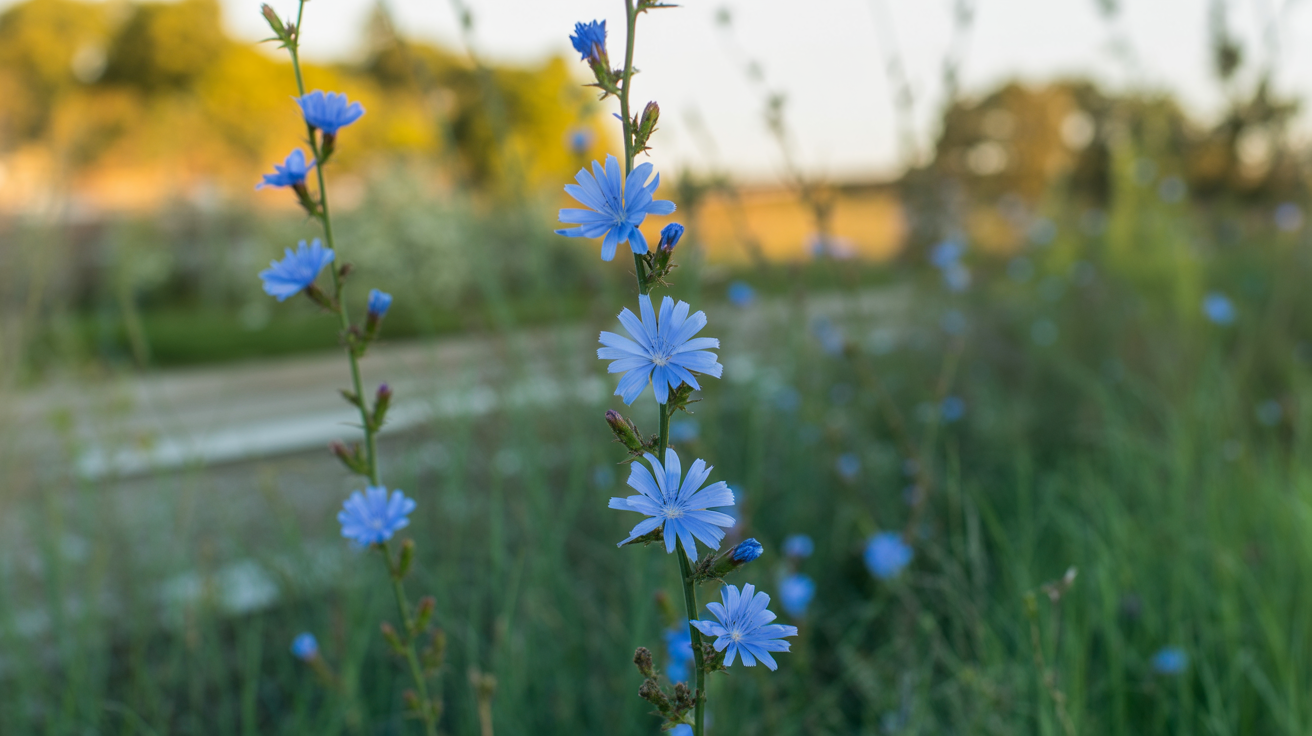
Chicory's bright blue flowers appear in mid to late summer, attracting beneficial pollinators to your garden. While beautiful, removing some flower stalks encourages continued leaf production if you're harvesting greens. However, allowing some flowers to bloom supports biodiversity and provides seeds for next season.
Fall Harvest: Peak Medicinal Potency
Fall is the optimal season for harvesting chicory roots, when medicinal compounds reach their highest concentration. Wait until after the first light frost, which triggers the plant to store more inulin and other beneficial compounds in the taproot. Dig roots carefully using a garden fork, working 6-8 inches from the plant base to avoid damage.
Harvest leaves throughout the growing season, but fall leaves tend to be less bitter than summer growth. Cut outer leaves first, allowing the center to continue producing. For root coffee substitute, harvest 2-3 year old roots for best flavor and medicinal properties.
Winter Preparation and Overwintering
In zones 3-10, chicory overwinters successfully with minimal protection. After fall harvest, cut back dead foliage to ground level and apply a 4-6 inch layer of mulch for insulation. In colder zones, additional protection with straw or leaves ensures spring regrowth.
Chicory's perennial nature means established plants return year after year, becoming more productive with age. Second and third-year plants develop larger, more medicinally potent roots. Mark plant locations before winter to avoid accidental disturbance during spring garden preparation.
Seasonal Pest and Disease Management
Different seasons bring specific challenges for chicory cultivation. Spring slugs and snails target tender new growth—use organic barriers or hand-picking for control. Summer aphids occasionally colonize flower stalks; spray with water or introduce beneficial insects like ladybugs.
Fall's cooler, wetter conditions can promote fungal issues. Ensure adequate spacing for air circulation and avoid overhead watering late in the day. Remove any diseased foliage promptly to prevent spread.
Year-Round Chicory Benefits
Growing chicory seasonally provides year-round medicinal benefits. Spring and summer leaves make excellent digestive tonics when consumed fresh or dried. Fall-harvested roots can be processed into coffee substitutes, tinctures, or dried for winter teas. The inulin-rich roots support gut health and blood sugar regulation.
Ready to start your medicinal herb journey? Get everything you need with a complete medicinal seed kit that includes chicory and other essential healing herbs for your garden.
Succession Planting for Continuous Harvest
Maximize your chicory harvest by succession planting every 3-4 weeks from early spring through mid-summer. This strategy ensures continuous leaf production for fresh use throughout the growing season. Each planting matures at different times, providing steady supply without overwhelming harvest periods.
For root production, focus on one or two main plantings in early spring. Roots require a full growing season to develop adequate size and medicinal potency. Mark these plants clearly to distinguish them from leaf-harvest plantings.
🌿 Pro Tip from Our Garden
Growing your own medicinal herbs isn't just about the end product—it's about the journey. Take time to observe your plants daily, learn their rhythms, and you'll become a better herbalist in the process.
Start Your Medicinal Garden Today!
Everything you've learned in this article can be put into practice with our premium Medicinal Seed Kit. Get 10 carefully selected herbs, growing guides, and remedy recipes.
About Grow Medicinal Herbs
We're passionate about helping people discover the healing power of medicinal herbs. Our articles are carefully researched and written to help you grow, harvest, and use herbs for natural wellness. Have questions? Contact us.