Chicory Growing Calendar: Seasonal Care Guide
Chicory is a resilient medicinal herb that thrives with proper seasonal care. Understanding when to plant, how to maintain, and when to harvest chicory throughout the year ensures a productive garden and potent medicinal roots. This seasonal guide will help you maximize your chicory harvest from spring through winter.
💡 Key Takeaway
Chicory is a resilient medicinal herb that thrives with proper seasonal care. Understanding when to plant, how to maintain, and when to harvest chicory throughout the year ensures a productive garden and potent medicinal roots. This seasonal guide will help you maximize your chicory harvest from spring through winter.
Spring: Planting and Early Growth (March-May)
Direct Sowing: Chicory seeds should be sown directly in the garden 2-4 weeks before the last frost date. The seeds need cool soil temperatures (45-65°F) to germinate properly. Plant seeds 1/4 inch deep in rows spaced 12-18 inches apart.
Soil Preparation: Work compost into well-draining soil with a pH of 5.5-6.5. Chicory develops a deep taproot, so loosen soil to at least 12 inches deep. Remove rocks and debris that could impede root growth.
Spring Maintenance: Keep soil consistently moist during germination (7-14 days). Thin seedlings to 6-8 inches apart once they reach 2 inches tall. Apply a light mulch to retain moisture and suppress weeds.
Summer: Growth and Flowering (June-August)
Watering Strategy: Chicory is drought-tolerant once established, but consistent moisture produces better roots. Water deeply once or twice weekly during dry spells, providing 1 inch of water per week.
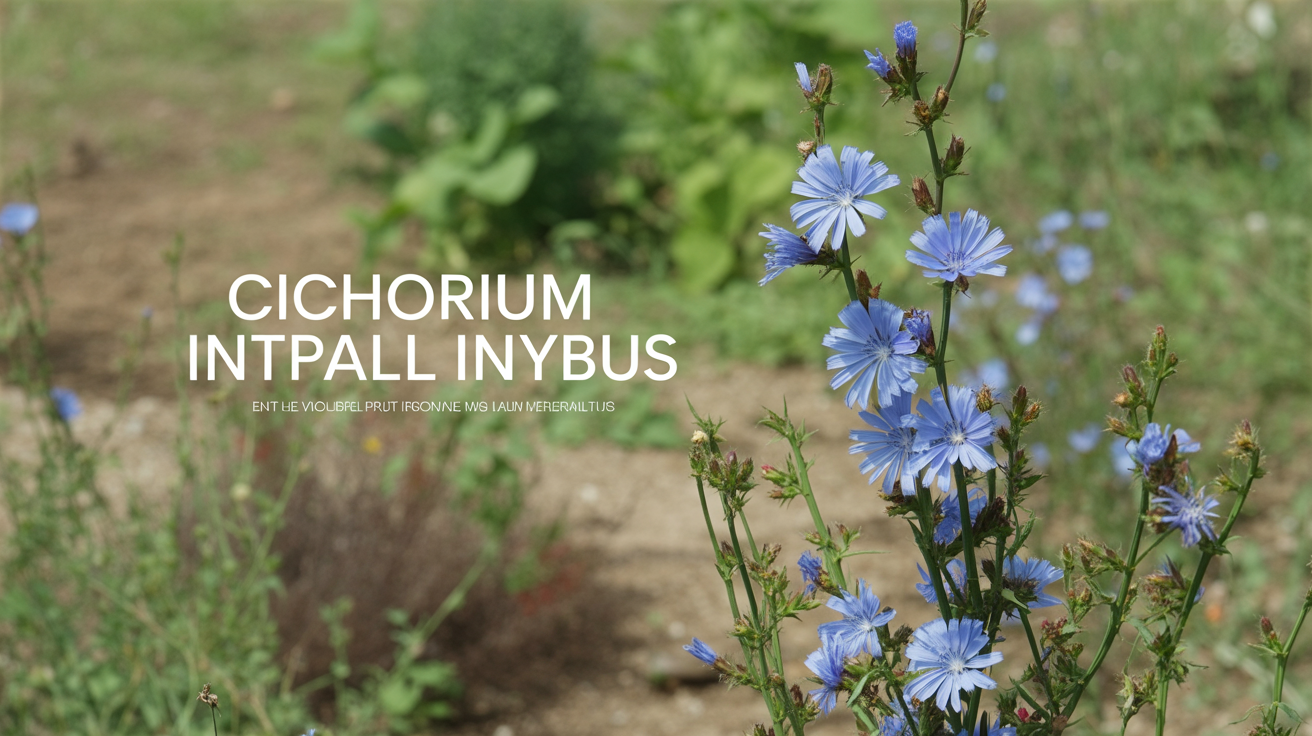
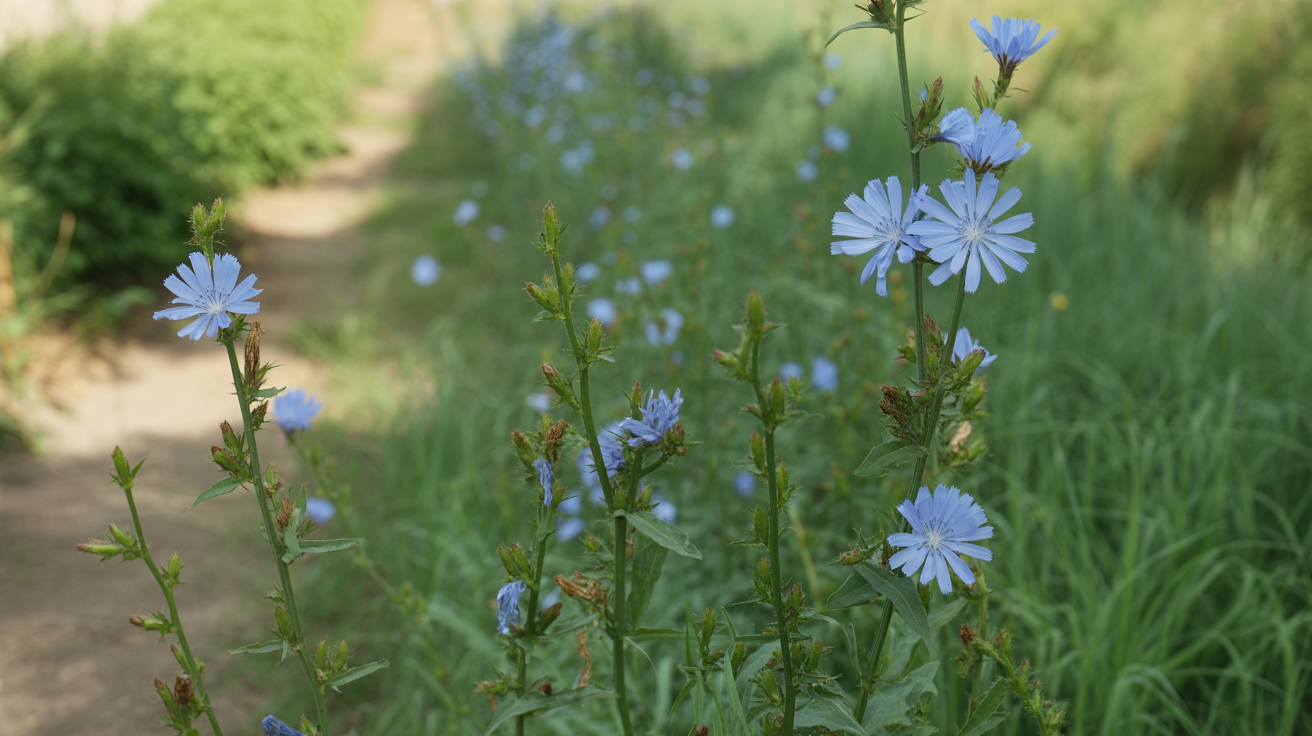
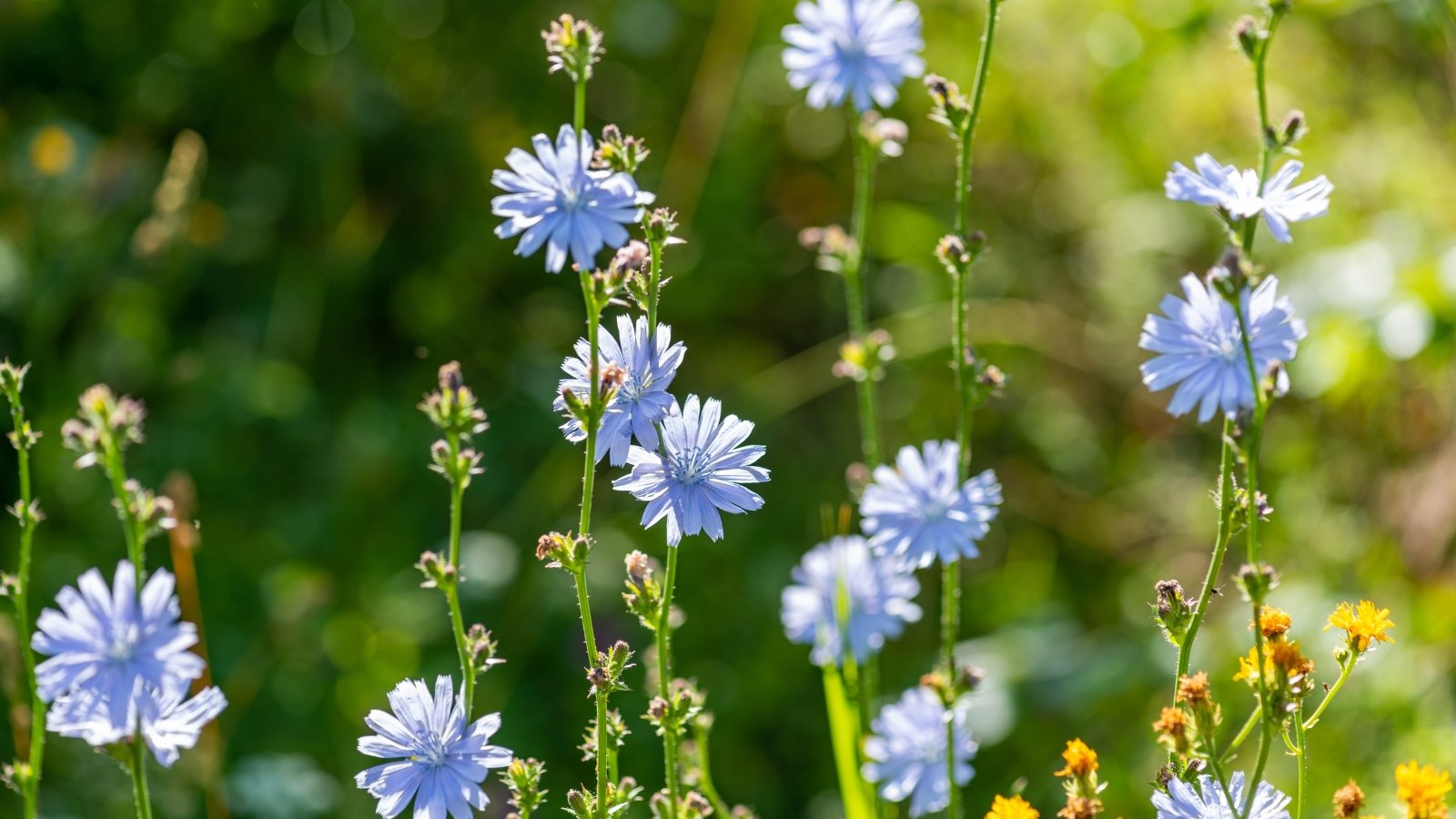
Flowering Management: Chicory produces beautiful blue flowers in mid-summer. If growing for root harvest, pinch off flower stalks to direct energy into root development. If growing for leaf harvest or seeds, allow plants to flower.
Pest Control: Watch for aphids and flea beetles in hot weather. Spray with neem oil or insecticidal soap if infestations occur. Chicory's bitter compounds naturally deter most pests.
Summer Harvest: Young chicory leaves can be harvested throughout summer for salads and teas. Pick outer leaves regularly to encourage new growth, leaving the center intact.
Fall: Root Development and Harvest (September-November)
Peak Root Growth: Chicory roots reach maximum size and medicinal potency in fall. The cooler temperatures and shorter days trigger the plant to store inulin and other beneficial compounds in the taproot.
Harvest Timing: Wait until after the first light frost for optimal root quality. Frost converts some starches to sugars, improving flavor and medicinal properties. Harvest roots when they're 8-12 inches long and 1-2 inches in diameter.
Harvesting Technique: Use a garden fork to loosen soil around the plant, working 6 inches away from the stem. Gently lift the entire root system. Shake off excess soil and cut off the leafy top 1 inch above the crown.
Processing Roots: Scrub roots clean with a vegetable brush. Slice into 1/4-inch rounds and dry in a dehydrator at 95°F for 12-24 hours, or roast at 300°F for 2 hours for a coffee substitute.
Winter: Storage and Planning (December-February)
Root Storage: Store dried chicory roots in airtight glass jars in a cool, dark place. Properly dried roots maintain potency for 1-2 years. Label jars with harvest date.
Forcing Chicory: For fresh winter greens, try forcing chicory roots. Pot roots in moist sand, cover with a bucket to exclude light, and keep at 50-60°F. Harvest pale, tender shoots (chicons) in 3-4 weeks.
Winter Planning: Order seeds for spring planting. Chicory seeds remain viable for 3-5 years when stored properly. Plan crop rotation—avoid planting chicory in the same location for 3 years to prevent disease buildup.
Cold Protection: In zones 5-9, chicory roots can overwinter in the ground with heavy mulch. In colder zones, harvest all roots before hard freezes.
Year-Round Medicinal Uses
Chicory root supports liver health, aids digestion, and acts as a prebiotic. Brew 1 teaspoon of roasted chicory root in hot water for a caffeine-free coffee alternative, or use raw dried root in decoctions for digestive support.
Ready to start your medicinal herb garden? This complete medicinal seed kit includes chicory and other essential herbs to grow year-round remedies.
Seasonal Troubleshooting
Spring: If seeds don't germinate, soil may be too warm. Wait for cooler weather or start indoors.
Summer: Bitter leaves indicate stress. Increase watering and provide afternoon shade in hot climates.
Fall: Small roots suggest poor soil or overcrowding. Improve soil fertility and thin plants earlier next season.
Winter: Moldy stored roots indicate insufficient drying. Re-dry affected roots or discard if heavily molded.
Conclusion
Following this seasonal chicory care guide ensures healthy plants and potent medicinal roots. By timing your planting, maintenance, and harvest to align with natural growing cycles, you'll maximize both yield and medicinal quality. Start planning your chicory garden today for year-round herbal benefits.
🌿 Pro Tip from Our Garden
Growing your own medicinal herbs isn't just about the end product—it's about the journey. Take time to observe your plants daily, learn their rhythms, and you'll become a better herbalist in the process.
Start Your Medicinal Garden Today!
Everything you've learned in this article can be put into practice with our premium Medicinal Seed Kit. Get 10 carefully selected herbs, growing guides, and remedy recipes.
About Grow Medicinal Herbs
We're passionate about helping people discover the healing power of medicinal herbs. Our articles are carefully researched and written to help you grow, harvest, and use herbs for natural wellness. Have questions? Contact us.